Tuesday, May 20, 2014
Announcing a Photo Project: DC in Motion
Today, I, the Evolving Photographer, am proud to announce that I will be undertaking a project to document the the riders of the D.C. Metro - their experiences, their frustrations - everything. Talk to anyone here, and they will gripe to you about the broken escalators, long delays, constant track maintenance. We read about it in the Washington Post almost daily. But what does any of that mean?
Well, let's see what it means. Literally. WMATA, the governing body of the Metro, does not regulate the usage of handheld photographic equipment so long as the user does not interfere with or impede the operation of the Metro. So myself and my camera will be taking a trip to the various Metro lines with the goal of showing you what it's like here in the American capital.
All of my posts on this project will be tagged with "ProjectDC." I will still be doing my usual (more frequent, I swear) postings on photography and the various things that I learn. Check back for updates, or keep up with the project via my Twitter account - @511Ian.

Saturday, May 10, 2014
Finding Inspiration as a Photographer
One of the great things about spending significant time in a new place is that it really invigorates you to try new things, see the sights, and take some truly special photographs. Unfortunately, you have to return to the old places eventually, and that's when it can be tough. I've been back home for a month, and it's been difficult to go out and find something interesting to shoot. It's home! I know it too well!
 So, on the advice of some photography buddies, I joined a group meet-up website and found a nice photography group to join. I may not be 100% behind every event that I go to, but it will force me to get out there, see what other people are
photographing, interact with them, and share ideas. Now THAT is how you get going creatively!
My first event was a car show. I haven't been to one since I "took" my Dad for Father's Day when I was still in elementary school. Beyond reading enough to know to have a polarizing filter to deal with reflections and windshields, I had no clue what I was getting myself into!
I don't think that I've broken any incredible ground with these photos, but I had a great time, and, most importantly, learned. The low riding performance cars are meant to be photographed from a low angle - but with a wide-angle lens. Guess what I didn't have with me? My wide-angle lens. Trying to replicate those shots with a 35mm lens just isn't possible. Creatively, the distortion that my 11-16mm lens would create is what I envisioned. Instead, I got some good shots, but didn't make anything that I loved.
35mm f/1.8 lens
B+W Circular Polarizer Filter
Images


photographing, interact with them, and share ideas. Now THAT is how you get going creatively!
My first event was a car show. I haven't been to one since I "took" my Dad for Father's Day when I was still in elementary school. Beyond reading enough to know to have a polarizing filter to deal with reflections and windshields, I had no clue what I was getting myself into!
I don't think that I've broken any incredible ground with these photos, but I had a great time, and, most importantly, learned. The low riding performance cars are meant to be photographed from a low angle - but with a wide-angle lens. Guess what I didn't have with me? My wide-angle lens. Trying to replicate those shots with a 35mm lens just isn't possible. Creatively, the distortion that my 11-16mm lens would create is what I envisioned. Instead, I got some good shots, but didn't make anything that I loved.
Equipment Used
Nikon D7100 Camera35mm f/1.8 lens
B+W Circular Polarizer Filter
Images
Tuesday, April 8, 2014
Lessons in Fine Art Photography
So it's been a while since I've posted - shame on me! I have kept on taking lots of pictures, just none of them have inspired a post just yet. However, this past week, I was privileged to soak in the expertise of two photographers that operate in a realm that I haven't much explored. Fine art photography. Is this some art school definition that has years of theory behind it? Not in the slightest, it's just how I view it.
 To me, fine art photography is an odd place in the photography spectrum. All photography has a point - to inform, to challenge, to make a point. We have documentary photography, or photojournalism, which simply prevents life as it is. There is traditional portraiture, which can be documentary in nature, or it can present a specific vision of the photographer that isn't necessarily as simple as reality. And then there is what I see as fine art photography - photographs that are meticulously planned in order to convey a very specific point from the artist.
This week n Stockholm was Photography Week at the Fotografiska, my favorite museum here in Sweden. First up for me was a tour of Roger Ballen's Theater of the Absurd. This wasn't a mere tour. Roger Ballen himself led us through his exhibit. I will admit that for some reason, despite looking at some of Ballen's work, I still expected a more classical photography discussion of his work. Instead, I was treated to a sometimes confusing, but always insightful discussion on photography, art, and the human condition.
Ballen presented himself as someone exploring his own psyche, and representing that on camera with a mixture of photographs of people surrounded both by their own dwellings and simple drawings added to the scene (to be fair, some of the dwellings already had artwork on the walls). In the Theater of the Absurd, Ballen seemed to be presenting images with incongruous subjects and settings, sometimes making you laugh, other times making you cringe, all the while, making you think. I won't pretend to have completely understood Ballen, just as I doubt that anyone could ever understand every point made by an abstract artist, but his attention to detail and how even the smallest piece of wire in his photos were carefully calculated to completely "make" the photo impact the viewer. Check out "Head Below Wires" and note how the bends in the wires, the missing chunk of the Simpsons picture, the Jerry Mouse mask - they all create the same form that is mirrored in the man's profile. While you may not love the art, the craft behind it is unmistakeable, and a very valuable lesson in of itself.
 The second day, I attended a talk by Jimmy Nelson, the photographer behind Before They Pass Away. It would be an injustice to try and summarize the points he tried to impart, but, here we go. Mr. Nelson strives to present the pride, beauty, and inner character of tribes at risk throughout the world. Rather than presenting them simply as they are, flaws and all, Mr. Nelson created intimate portraits, carefully posed (and composed) images of every day life within the 35 tribes he explored. While this format has come under criticism, it was positively fascinating (and inspiring), to see Mr. Nelson simply explain that, in the developed world, we often portray one another in the most flattering manner in photographs - why can this courtesy not be afforded to the "undeveloped" world? Post-processing be damned, Mr. Nelson has created amazing images that convey the uniqueness of all 35 of these cultures, some in their day to day life, some in their "Sunday best," all while giving these individuals the respect that any subject should get from a photographer.
To me, fine art photography is an odd place in the photography spectrum. All photography has a point - to inform, to challenge, to make a point. We have documentary photography, or photojournalism, which simply prevents life as it is. There is traditional portraiture, which can be documentary in nature, or it can present a specific vision of the photographer that isn't necessarily as simple as reality. And then there is what I see as fine art photography - photographs that are meticulously planned in order to convey a very specific point from the artist.This week n Stockholm was Photography Week at the Fotografiska, my favorite museum here in Sweden. First up for me was a tour of Roger Ballen's Theater of the Absurd. This wasn't a mere tour. Roger Ballen himself led us through his exhibit. I will admit that for some reason, despite looking at some of Ballen's work, I still expected a more classical photography discussion of his work. Instead, I was treated to a sometimes confusing, but always insightful discussion on photography, art, and the human condition.
Ballen presented himself as someone exploring his own psyche, and representing that on camera with a mixture of photographs of people surrounded both by their own dwellings and simple drawings added to the scene (to be fair, some of the dwellings already had artwork on the walls). In the Theater of the Absurd, Ballen seemed to be presenting images with incongruous subjects and settings, sometimes making you laugh, other times making you cringe, all the while, making you think. I won't pretend to have completely understood Ballen, just as I doubt that anyone could ever understand every point made by an abstract artist, but his attention to detail and how even the smallest piece of wire in his photos were carefully calculated to completely "make" the photo impact the viewer. Check out "Head Below Wires" and note how the bends in the wires, the missing chunk of the Simpsons picture, the Jerry Mouse mask - they all create the same form that is mirrored in the man's profile. While you may not love the art, the craft behind it is unmistakeable, and a very valuable lesson in of itself.
The second day, I attended a talk by Jimmy Nelson, the photographer behind Before They Pass Away. It would be an injustice to try and summarize the points he tried to impart, but, here we go. Mr. Nelson strives to present the pride, beauty, and inner character of tribes at risk throughout the world. Rather than presenting them simply as they are, flaws and all, Mr. Nelson created intimate portraits, carefully posed (and composed) images of every day life within the 35 tribes he explored. While this format has come under criticism, it was positively fascinating (and inspiring), to see Mr. Nelson simply explain that, in the developed world, we often portray one another in the most flattering manner in photographs - why can this courtesy not be afforded to the "undeveloped" world? Post-processing be damned, Mr. Nelson has created amazing images that convey the uniqueness of all 35 of these cultures, some in their day to day life, some in their "Sunday best," all while giving these individuals the respect that any subject should get from a photographer.
Sunday, February 23, 2014
Winter Photography: Stay Warm And Underexpose
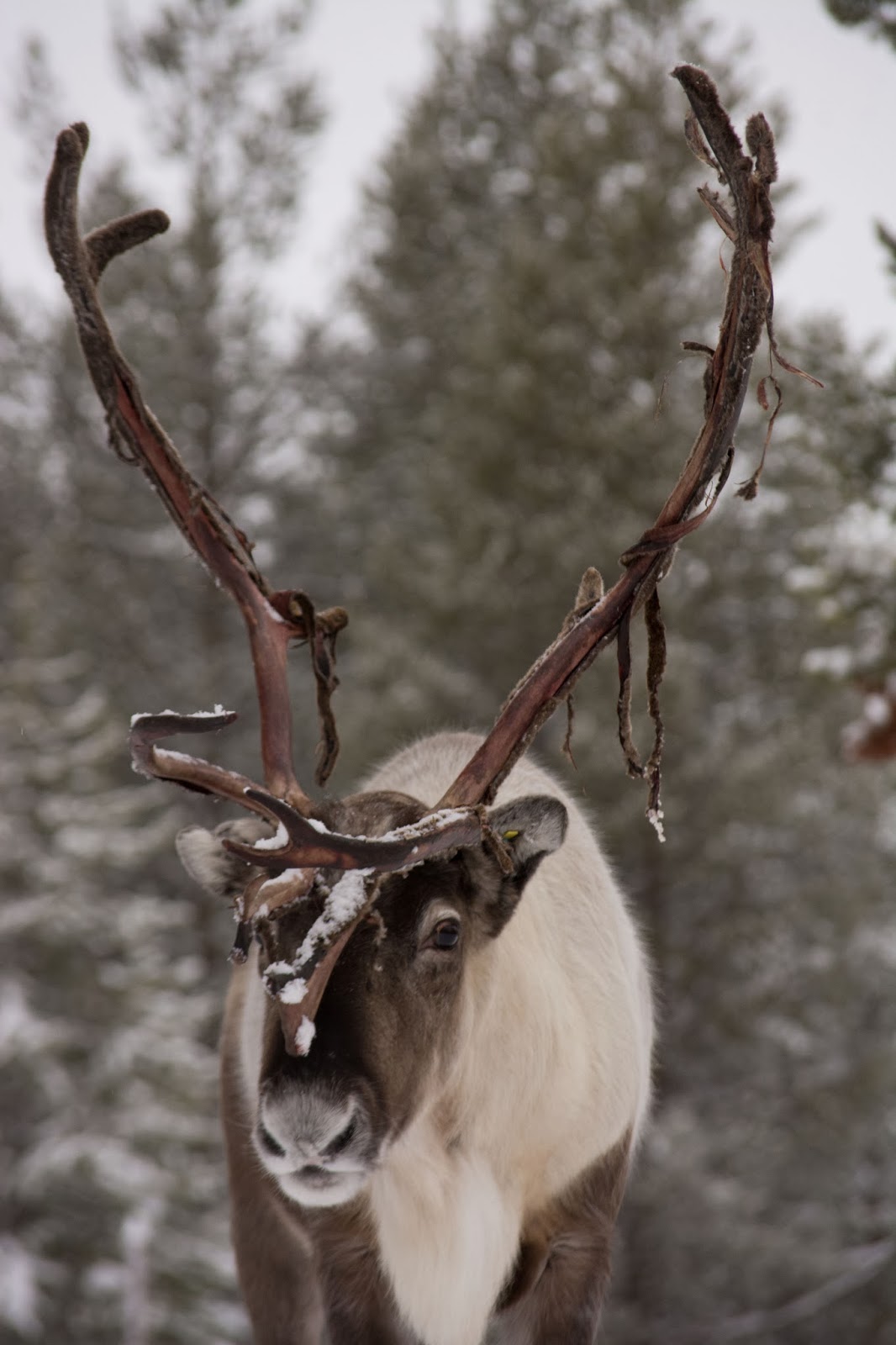
Taking photographs outside in the winter presents a variety of challenges for any photographer to overcome. Not only do you have to dress warmly just to get outside, but there are a few "musts" in any cold weather photography expedition. I thought I'd list a few here.

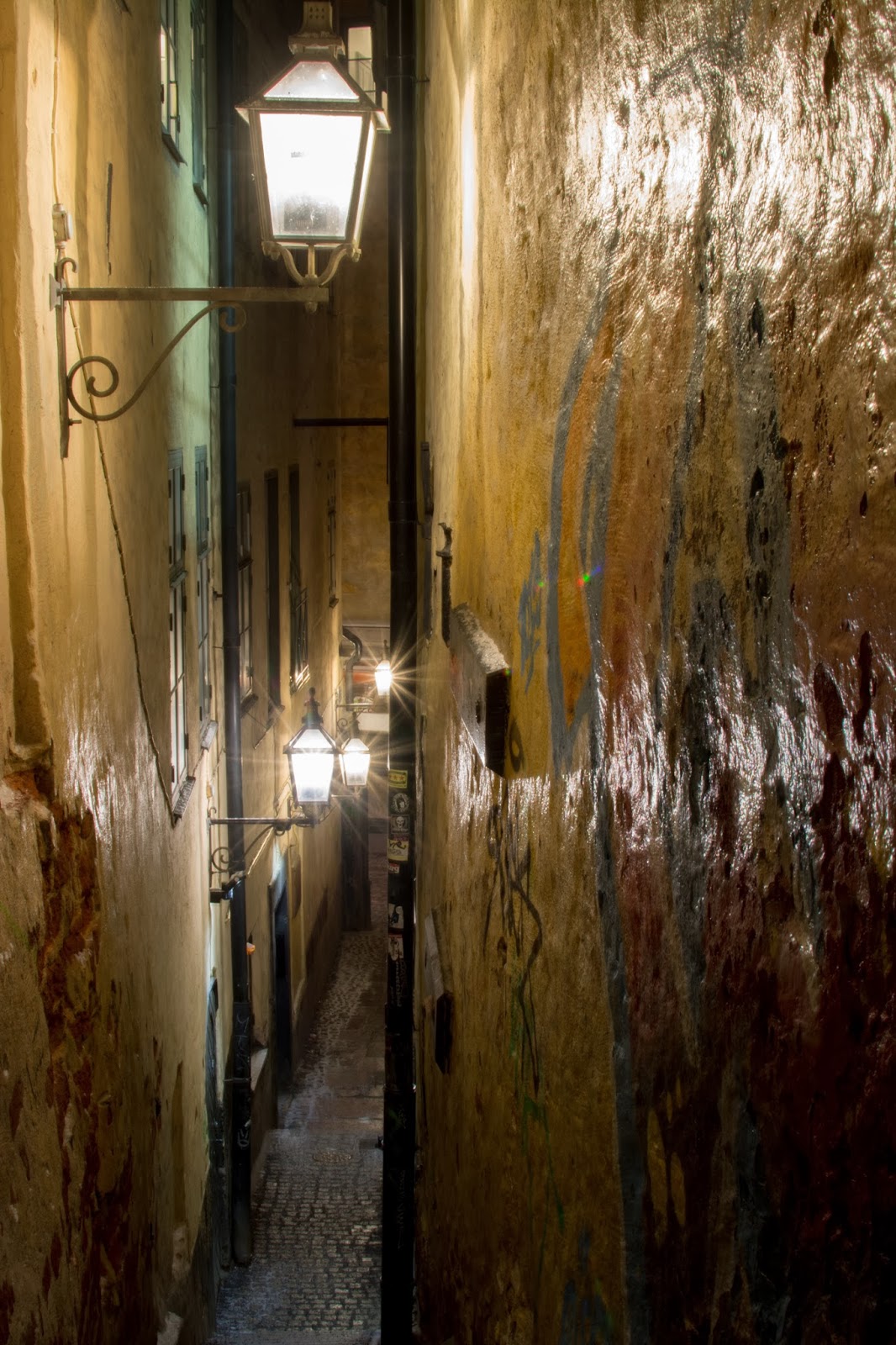
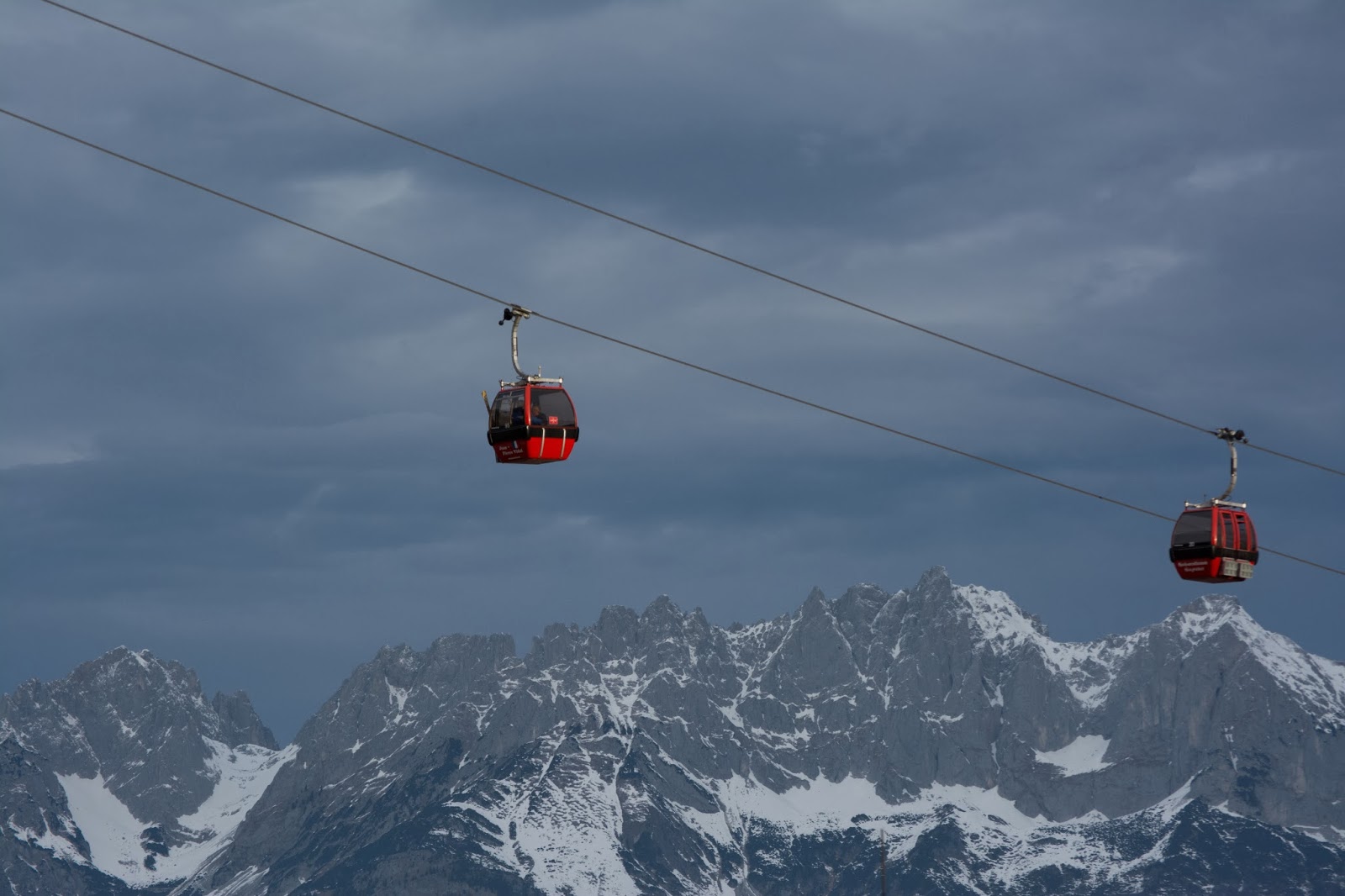
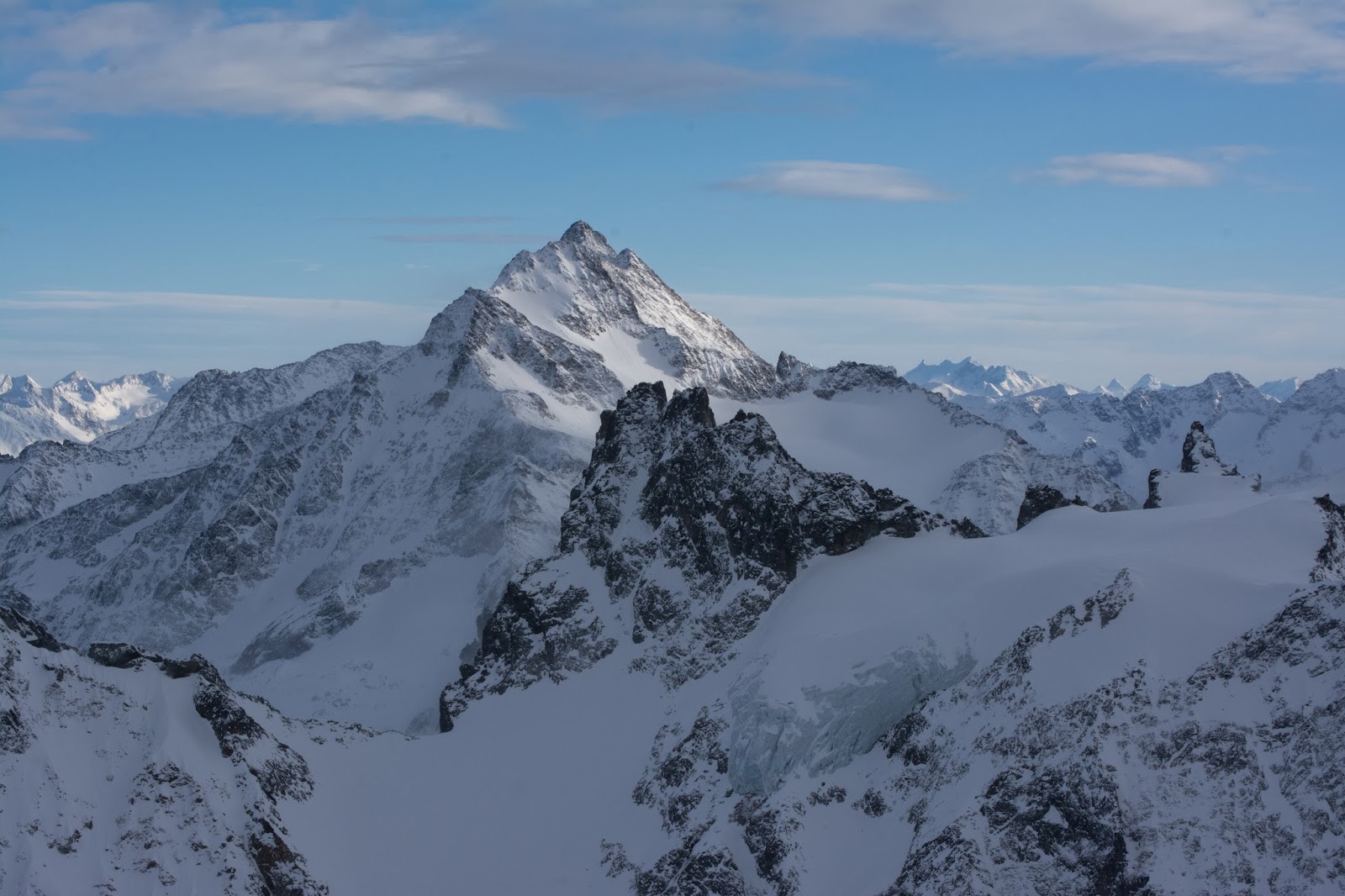
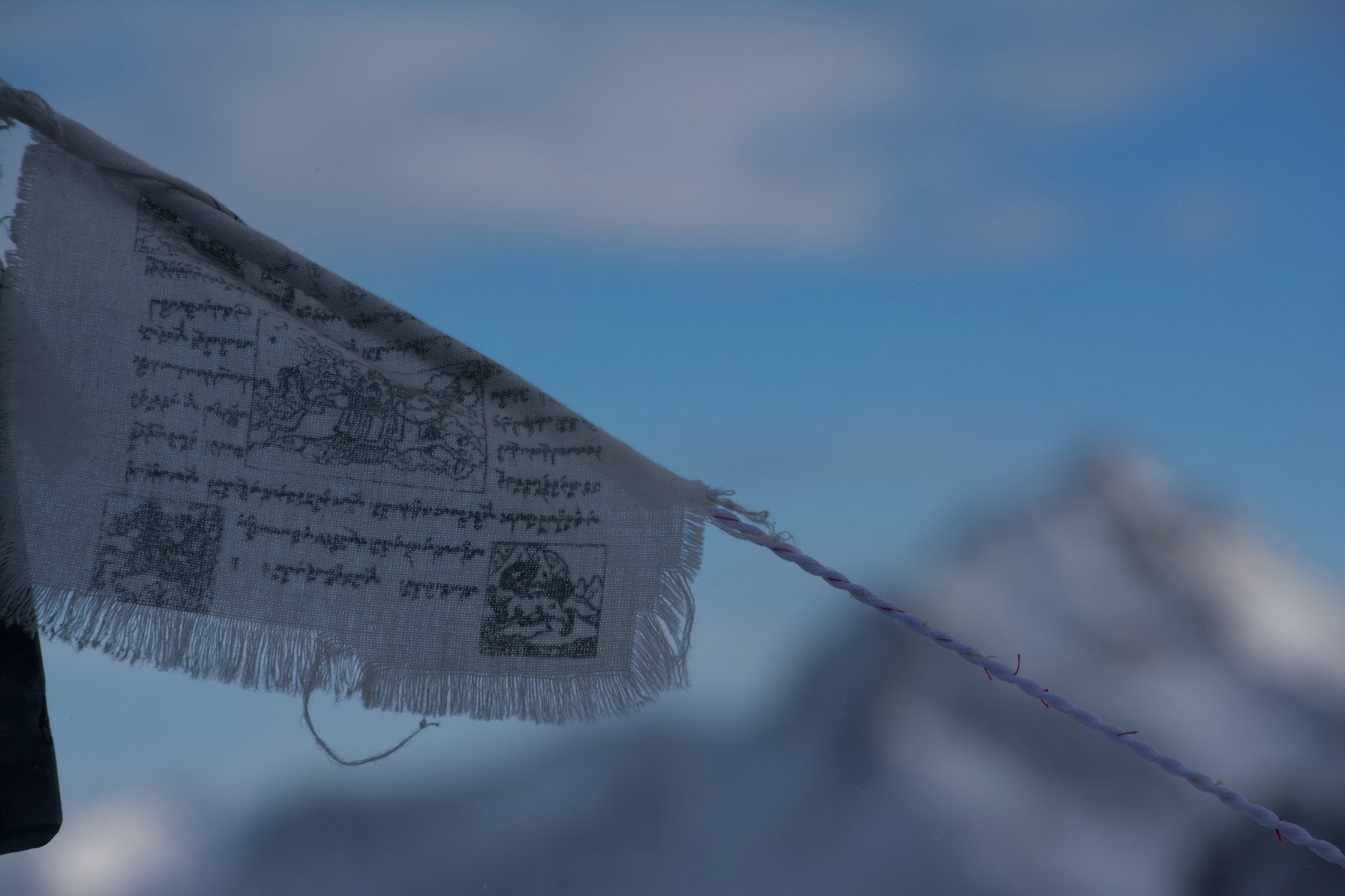
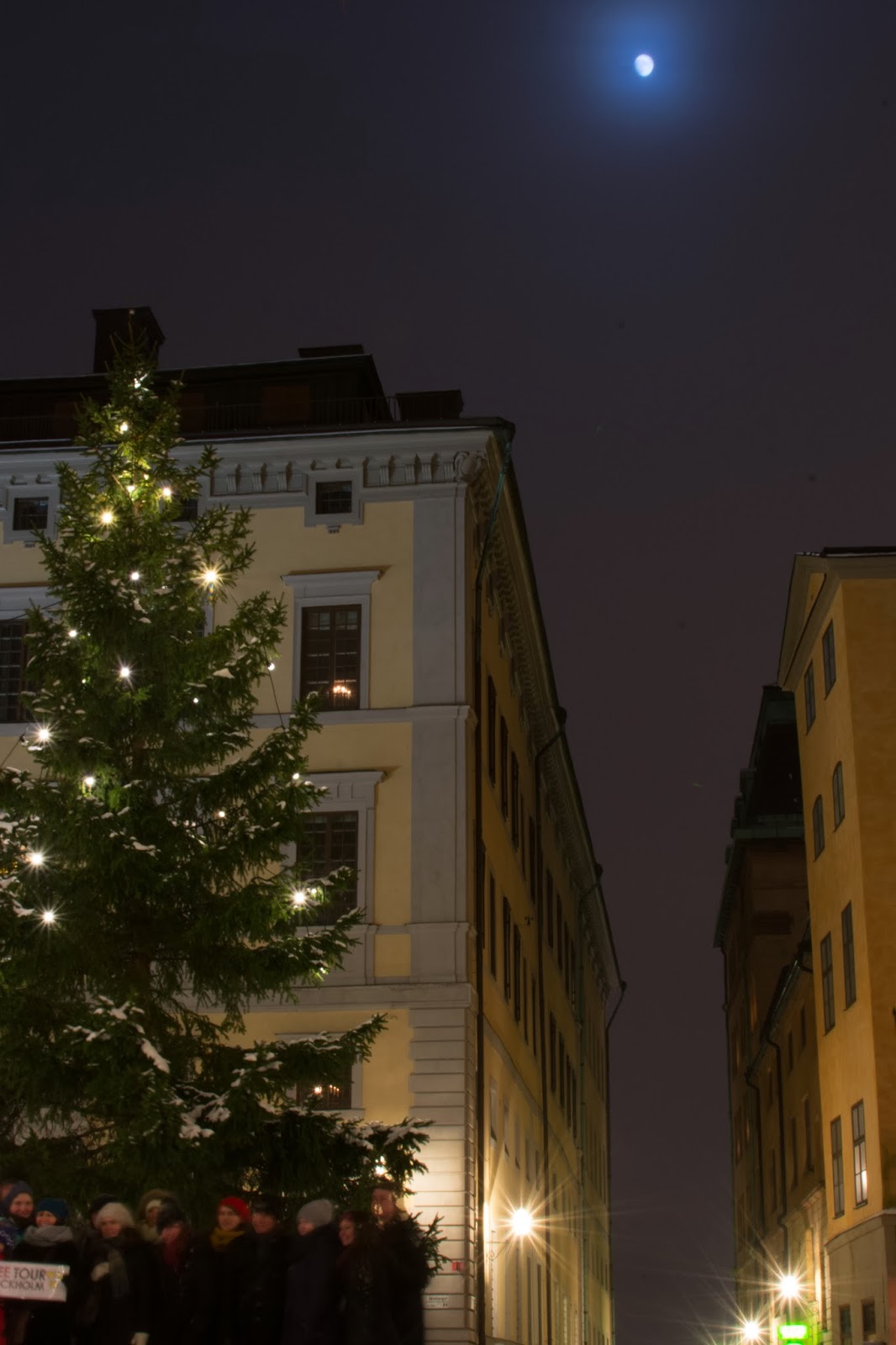
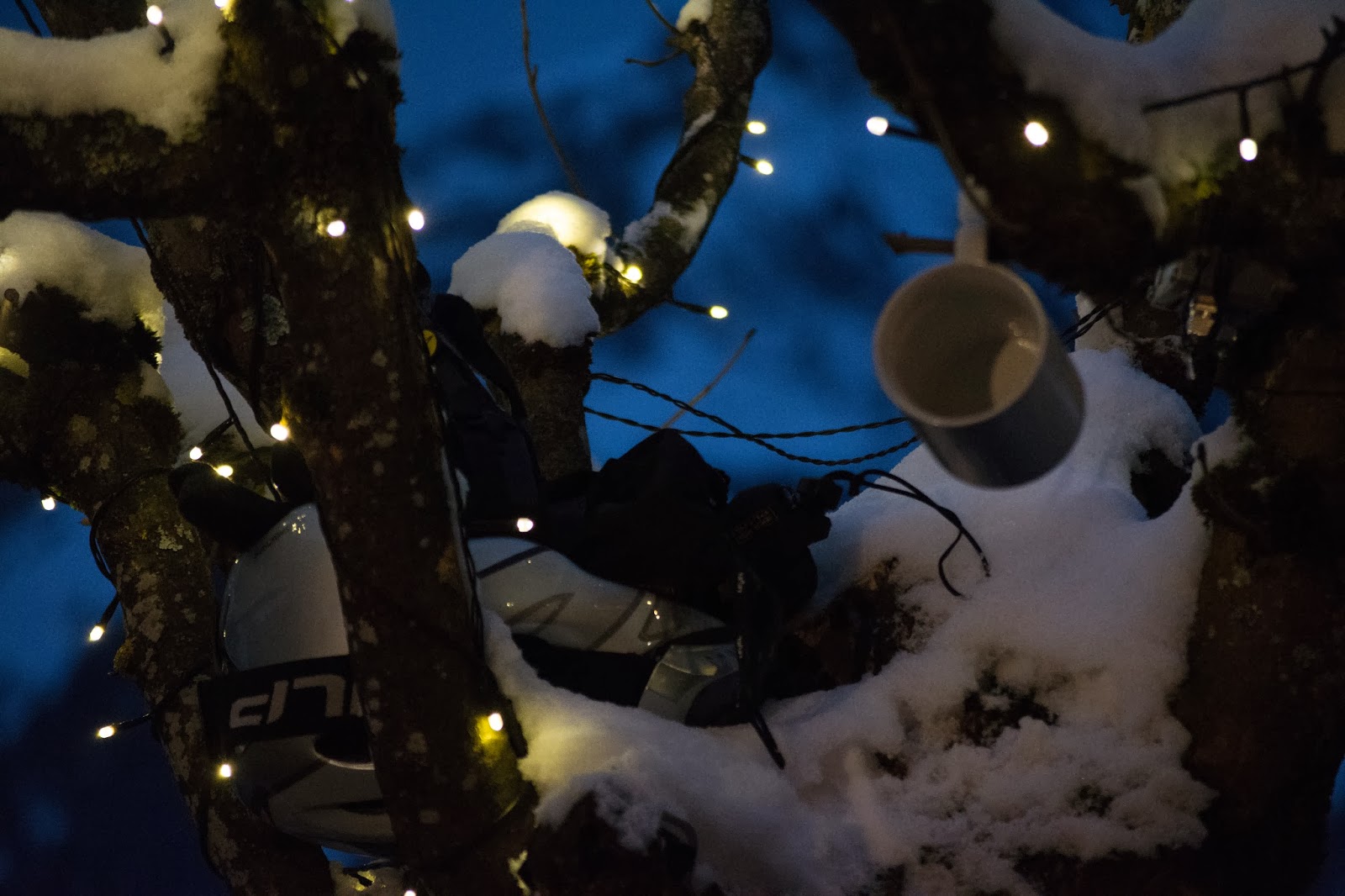
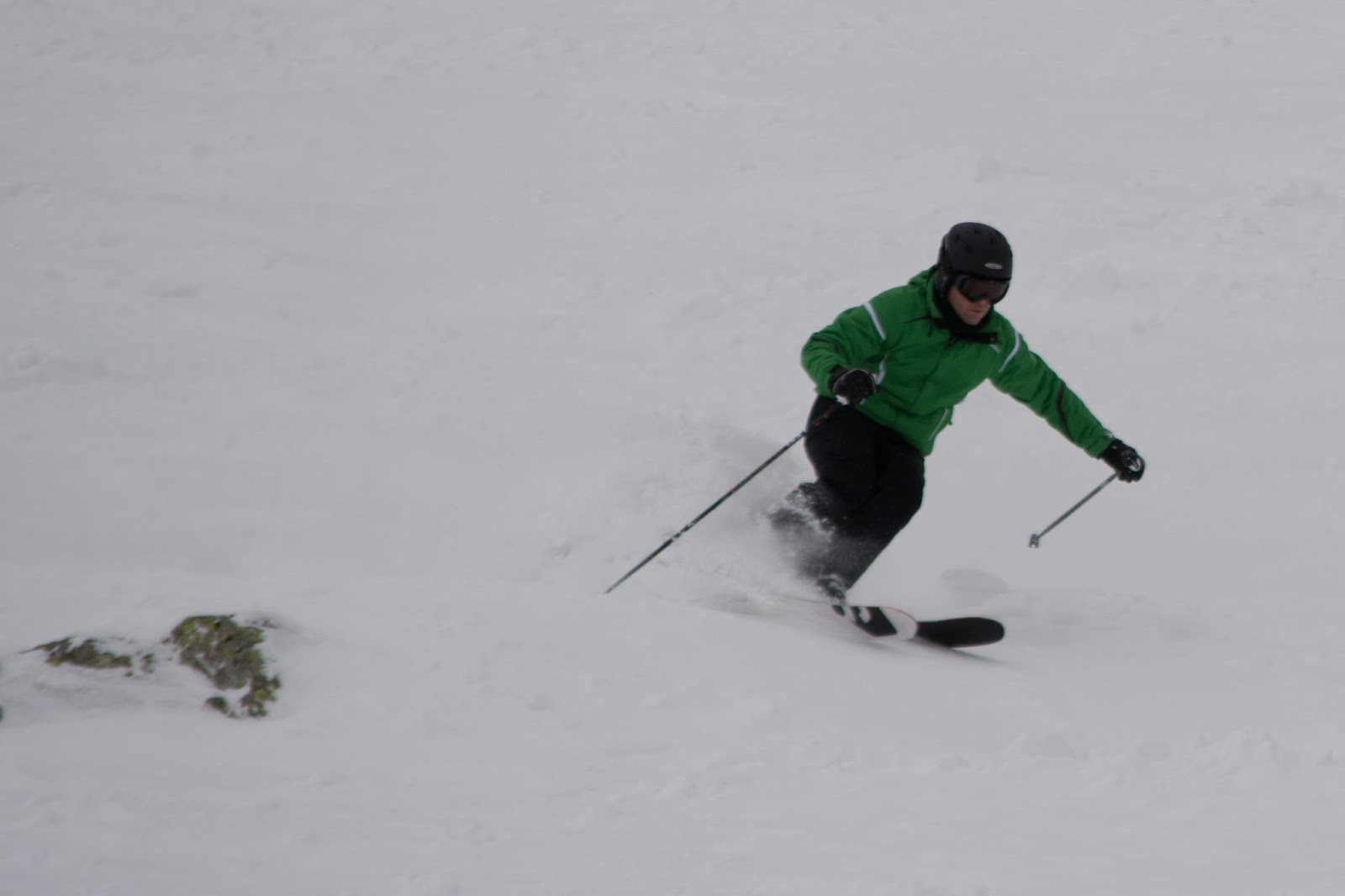
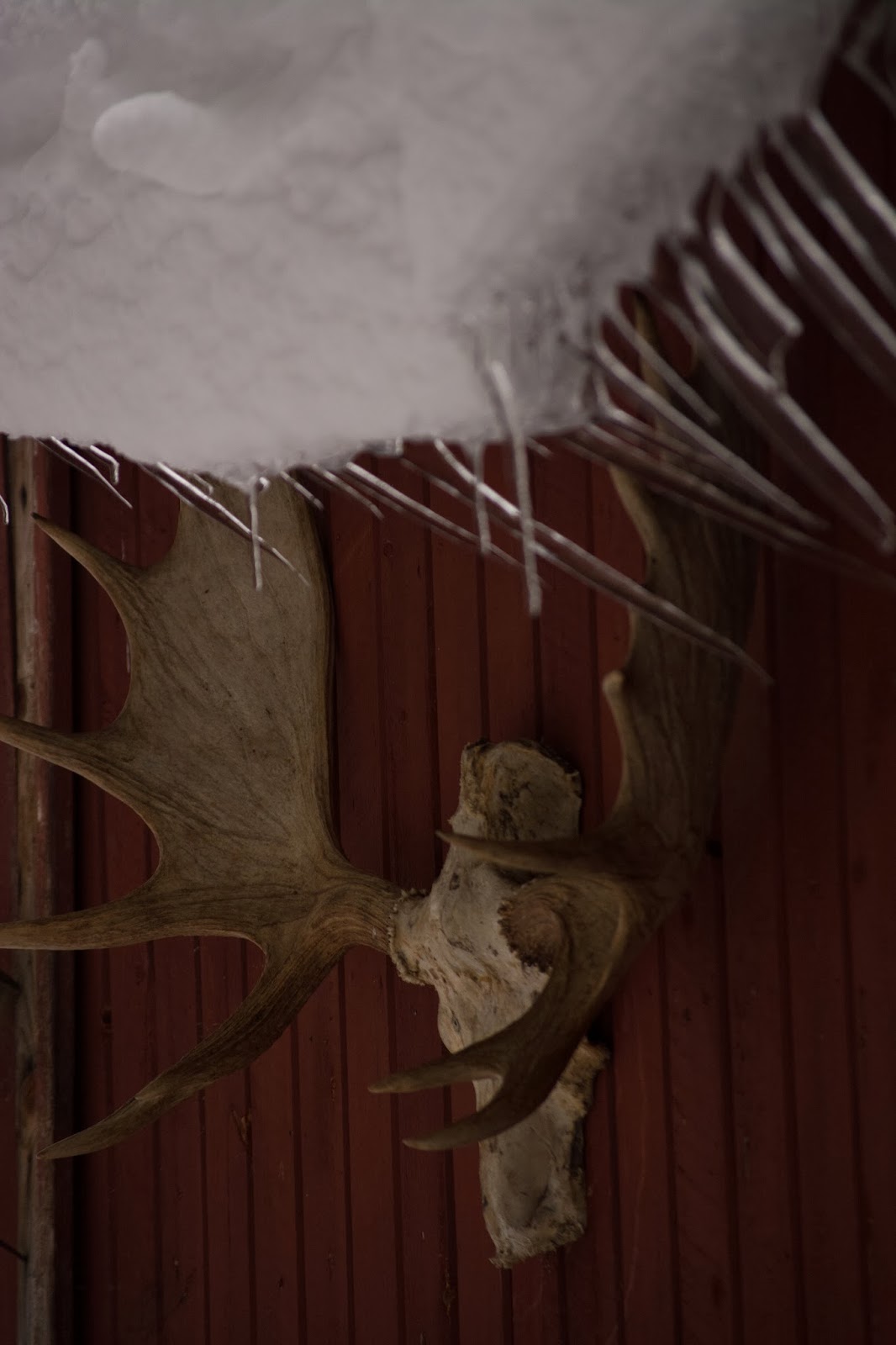
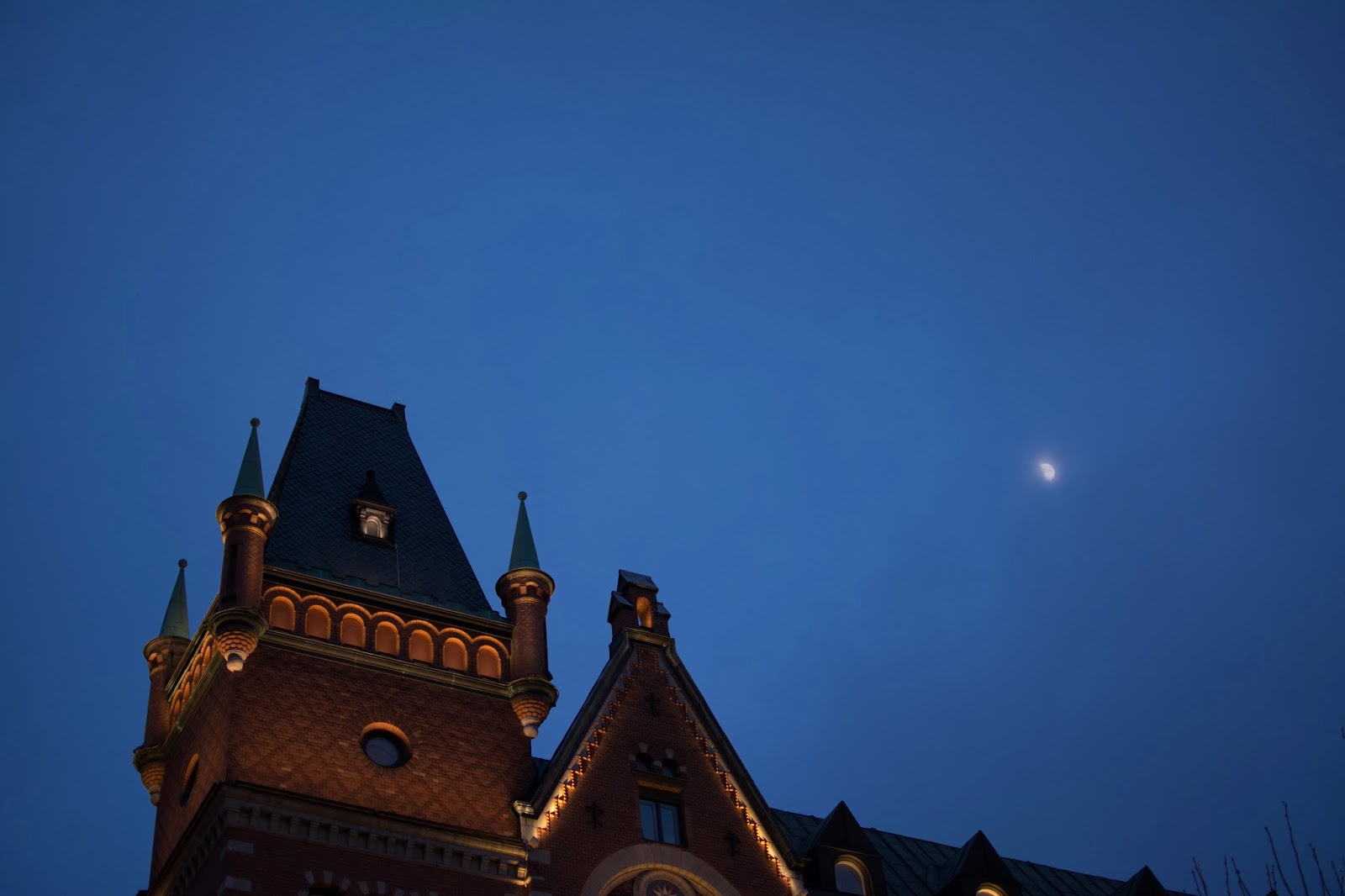
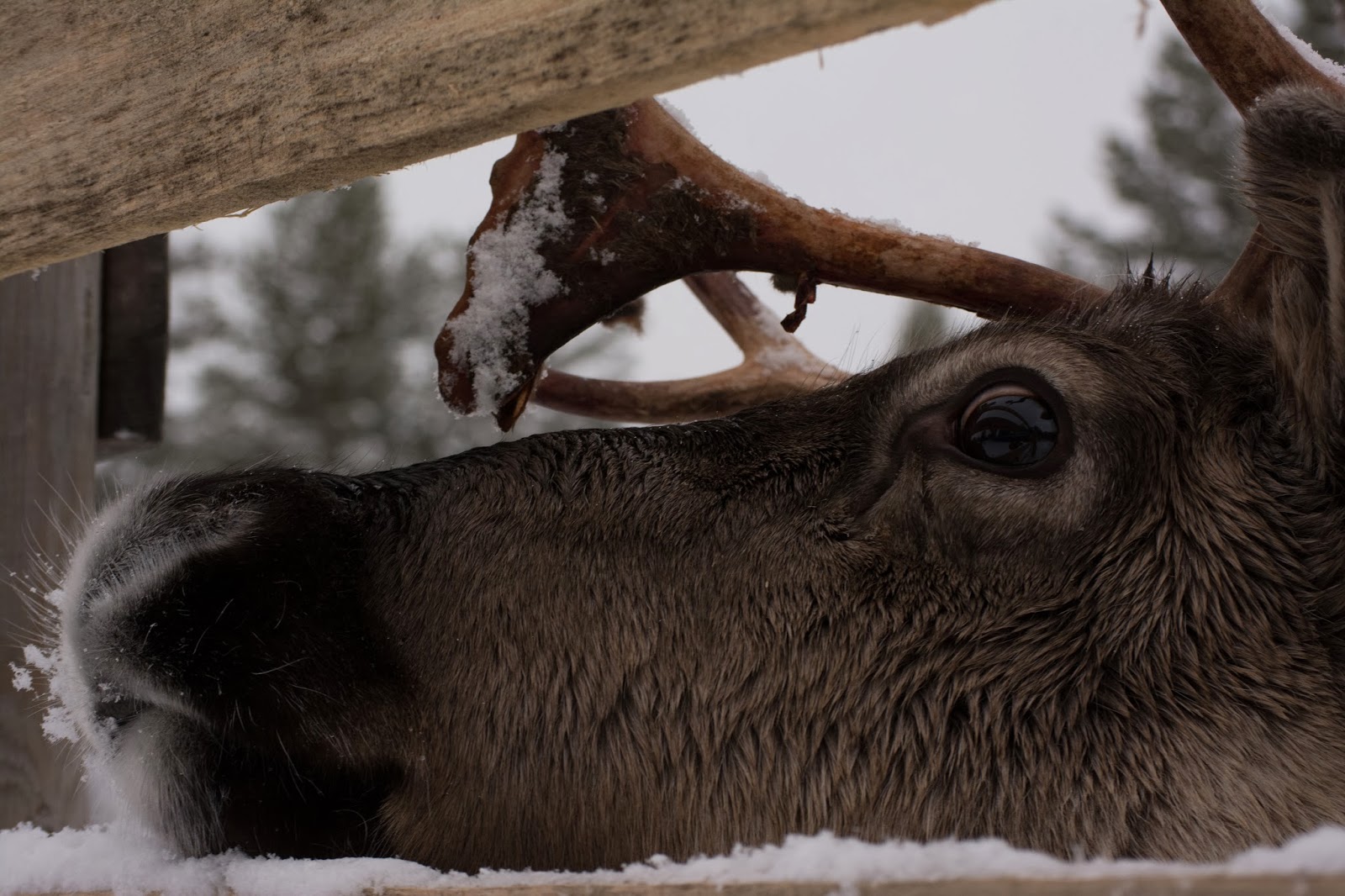
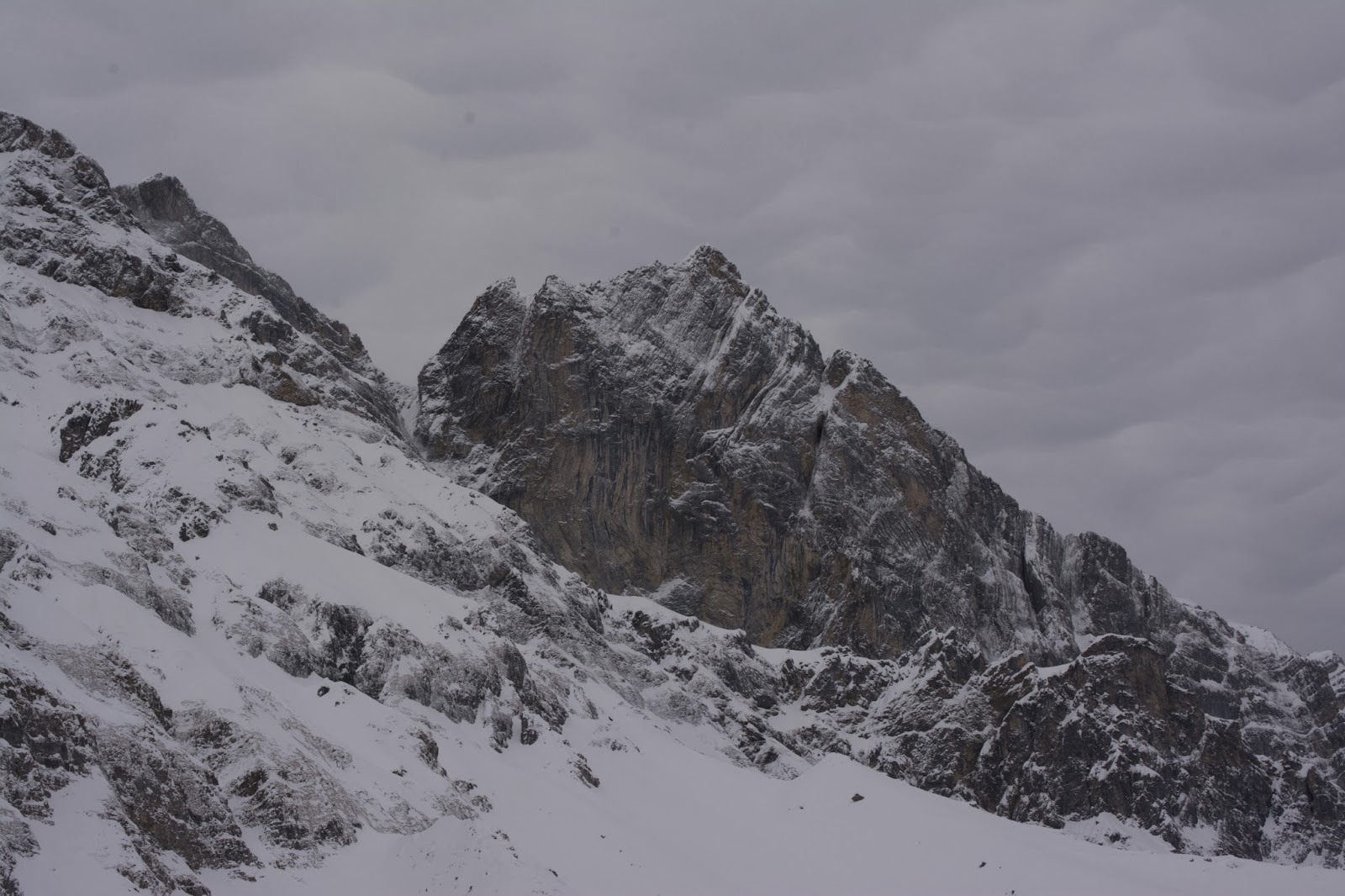
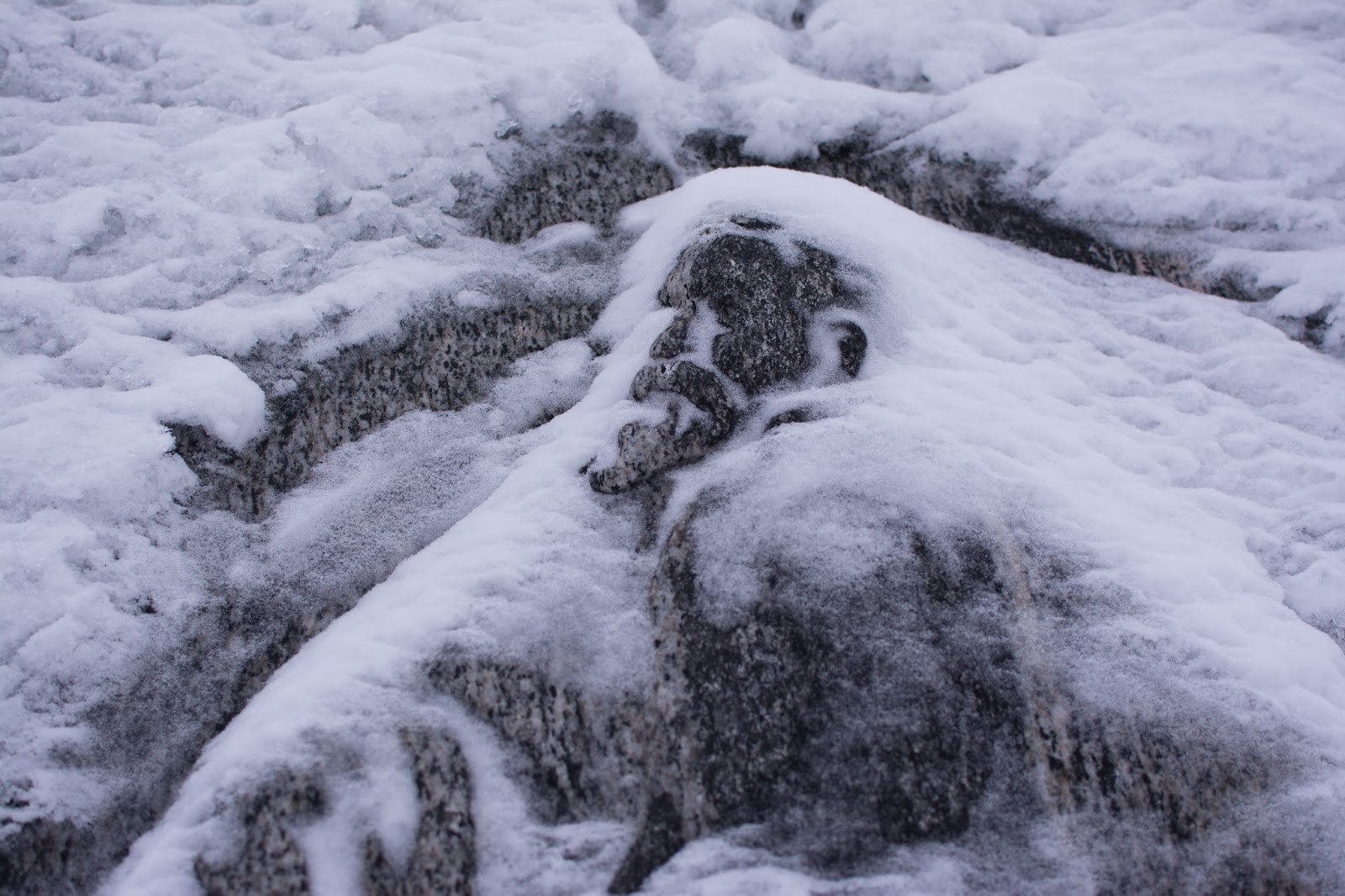
Now that I've given you some fairly basic lessons that are pretty obvious, here are some examples of putting those lessons to work.
35mm f/1.8 lens
55-200 f/4-5 lens
Tokina 11-16mm f/2.8 lens
Manfretto BeFree Tripod
Nikon MC-DC2 Cable Release
Images






- Bring extra batteries. The cold runs them down relatively quickly. Keep one battery close to your body to keep it warm, and swap out when necessary.
- Have a microfiber cloth. When it snows, it sometimes gets on your lens. Be ready to clean it off.
- Have patience. When you go from inside/outside and vice versa, the temperature change can fog your lens a bit. Let it clear before getting ready to shoot.
- Bring gloves! Gloves are a must. A thin glove underneath a warm glove can do wonders, as you can still operate your camera controls with the gloves on. A few of my pictures required me to go without a glove in single digit temperatures (Fahrenheit) in 30mph winds. Thin gloves would have helped me a lot!
- Dress for standing still. Getting the light and composition just right for your shots requires you to take your time and remain relatively motionless. That's when it gets cold. Dress for this, not for walking around.
- Underexpose. Underexpose. Underexpose. If you have snow in your picture, it will play hell with your camera's light meter. Pay attention to what your light meter tells you for the non-snowy objects, or prepare to blow your highlights out.

Now that I've given you some fairly basic lessons that are pretty obvious, here are some examples of putting those lessons to work.
Equipment Used
Nikon D7100 Camera35mm f/1.8 lens
55-200 f/4-5 lens
Tokina 11-16mm f/2.8 lens
Manfretto BeFree Tripod
Nikon MC-DC2 Cable Release
Images
Sunday, February 2, 2014
Making Realistic Fireworks Photos
Last year, I experimented with my Fourth of July fireworks photos, shooting some of them like a typical photograph, while, in others, I played with shifting focuses while the shutter was open. Having the opportunity to view a city filled with public and private firework displays that rivaled each other for inventiveness and sheer firepower meant that I just had to go with straight-up, vanilla, long exposure firework photos. This isn't exactly a challenge - it's all about framing and hoping for the lucky combination of colors and shapes.
I decided to use my wide-angle Tokina lens, which appears to be the best wide-angle lens out there for a DX (non-full frame) camera. Sure, the Nikon 14-24mm f/2.8 (Part of the Nikon "Holy Trinity") is a far superior lens, but it's made for FX (full frame) cameras. That extra $1,500 results in a lot of wasted glass, since the sensor won't be physically seeing all that the lens sees. The Tokina is simple to set up for these kinds of shots - pop it into manual focus and set the focus to infinity.
Of course, for long exposures like these (10-20 seconds was where most of my shots fell), you had better have a tripod. A cable release is ideal, especially when you're sitting still for 45 minutes in freezing temperatures! Since this is me we're talking about, I left my cable release sitting on my desk. But, fear not! You can still get vibration free photos by setting your camera on a 2 second delay from when you press the shutter release. Technology to the rescue of the forgetful!
Tokina 11-16mm f/2.8 lens
Velbon Tripod
Images


 |
| 16mm f/20, ISO 320, 20 second exposure |
I decided to use my wide-angle Tokina lens, which appears to be the best wide-angle lens out there for a DX (non-full frame) camera. Sure, the Nikon 14-24mm f/2.8 (Part of the Nikon "Holy Trinity") is a far superior lens, but it's made for FX (full frame) cameras. That extra $1,500 results in a lot of wasted glass, since the sensor won't be physically seeing all that the lens sees. The Tokina is simple to set up for these kinds of shots - pop it into manual focus and set the focus to infinity.
 |
| Braced the tripod against my body to get this 3 second exposure. I wasn't in a good position to get a perfect silhouette with the fireworks |
Equipment Used
Nikon D7100 CameraTokina 11-16mm f/2.8 lens
Velbon Tripod
Images
Monday, January 27, 2014
Higher ISOs; See That Wasn't So Hard - Part Two
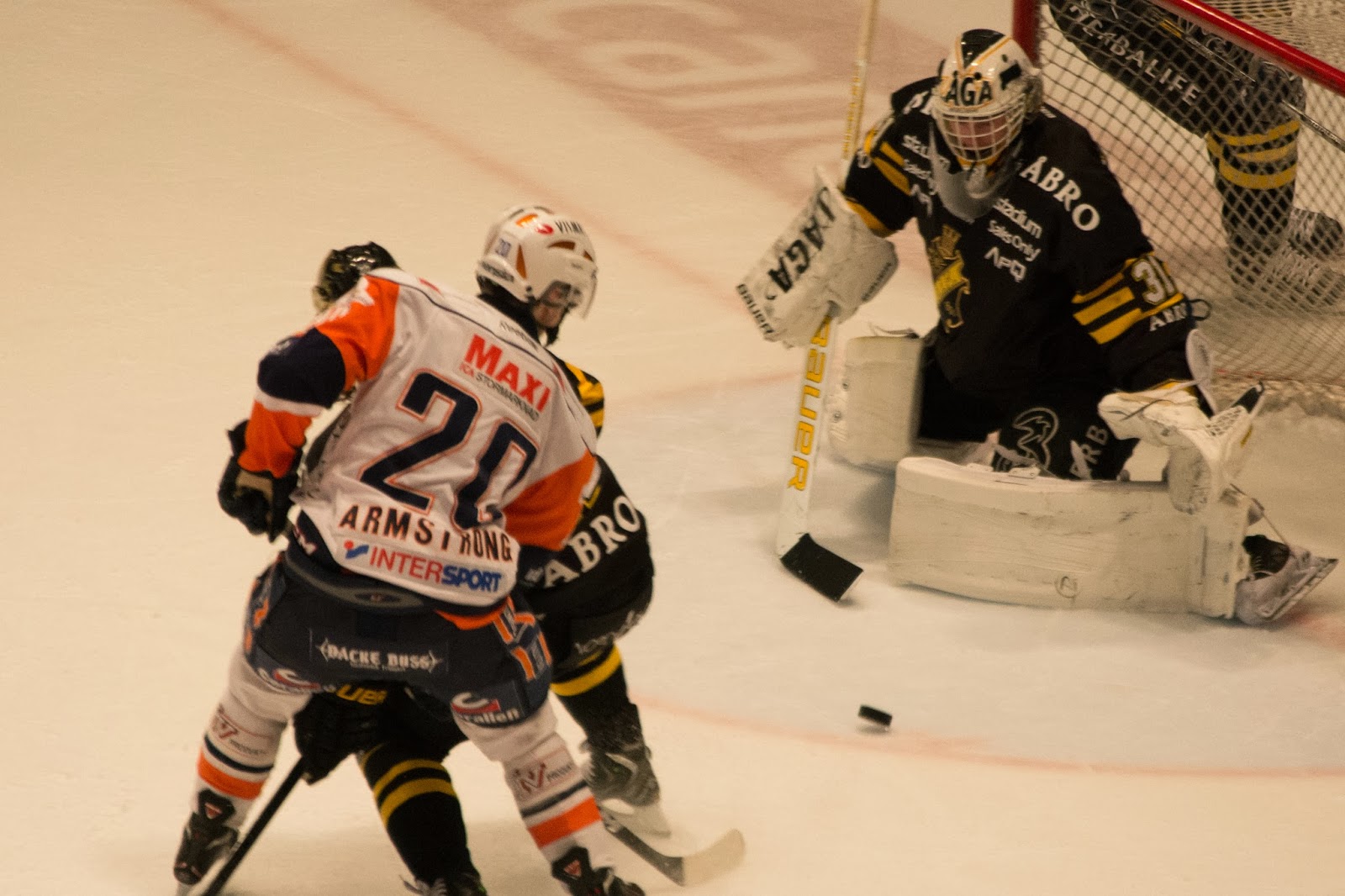
In my last post, I talked about getting used to trusting the ISO processing of my camera. Well, I have finally embraced the goodness of letting my camera use its power to overcome my relatively cheaper zoom lens and its smaller aperture. There isn't much to say on this, other than, I went to a pair of hockey games and took my camera. The arena was small enough that I could easily take good photos with my lens, and then crop them without any real effort to make some nice looking action shots. But there was only one way to do that - accept a higher ISO setting. I did, and even with the cropping, I enjoyed the results. I think that I'm one step closer to completely trusting technology!
Equipment Used
Nikon D7100 Camera
55-200mm f/4-5.6 lens




Equipment Used
Nikon D7100 Camera
55-200mm f/4-5.6 lens
Images
Subscribe to:
Comments (Atom)