Sunday, February 23, 2014

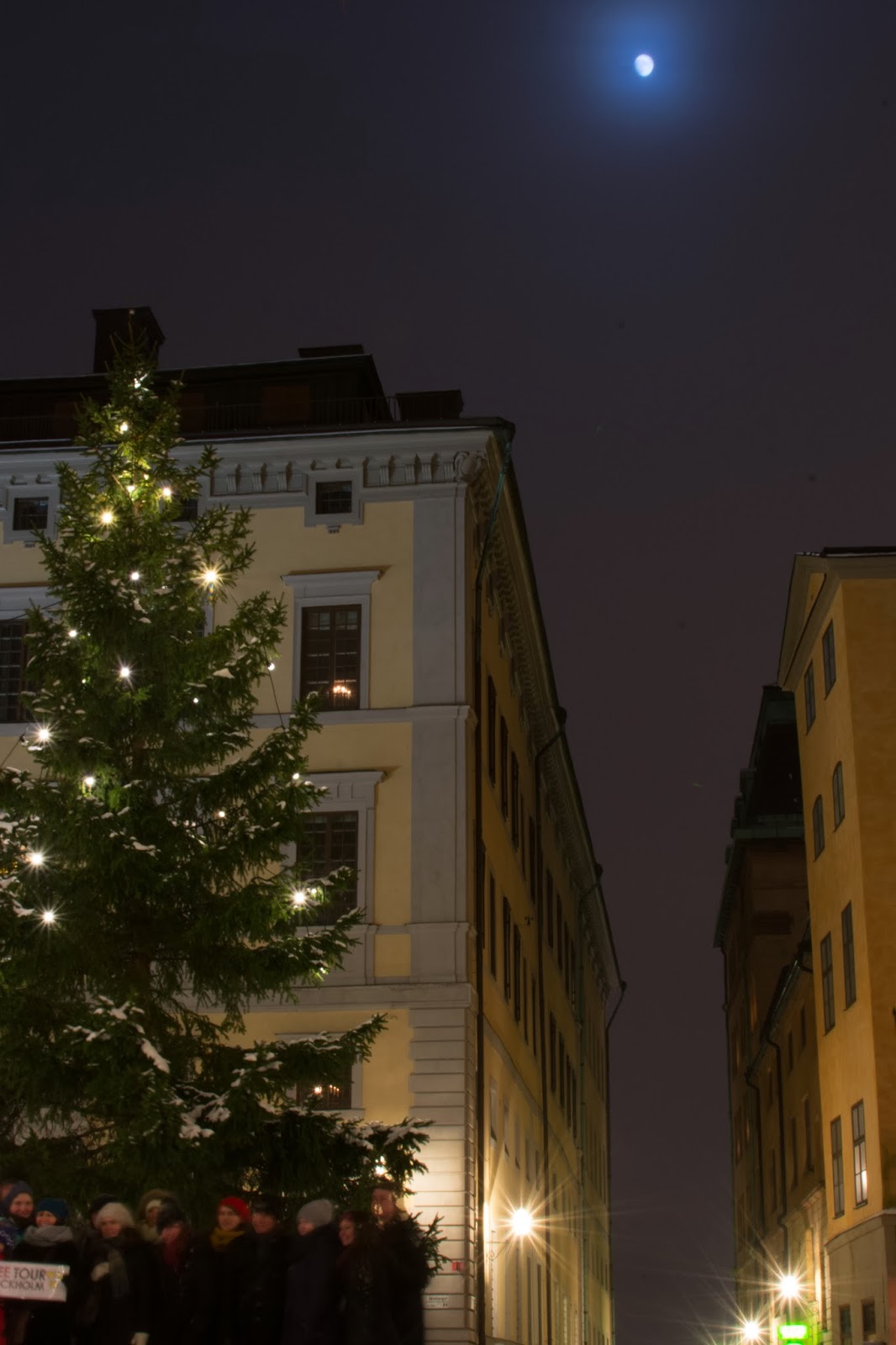
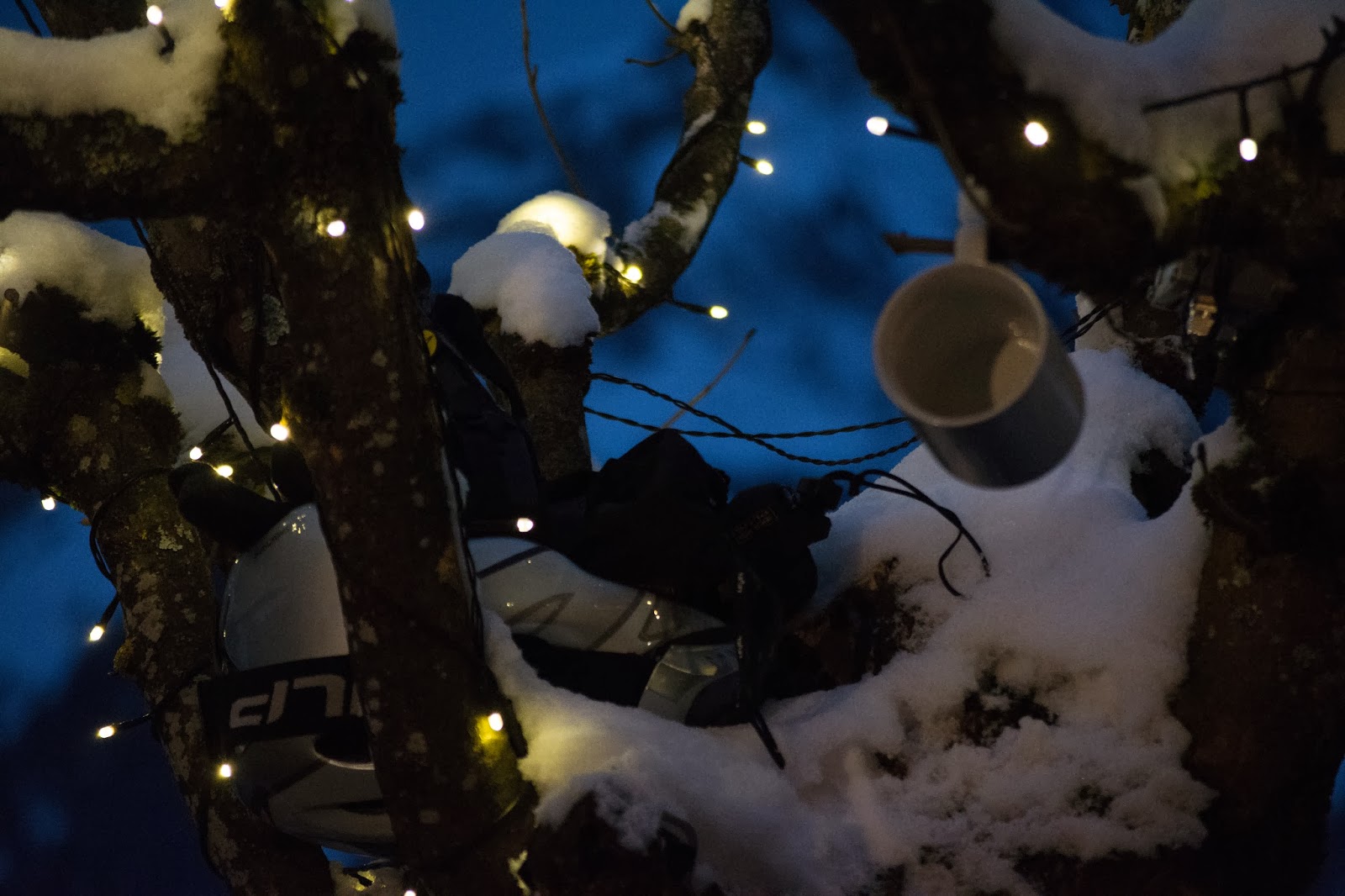
Winter Photography: Stay Warm And Underexpose

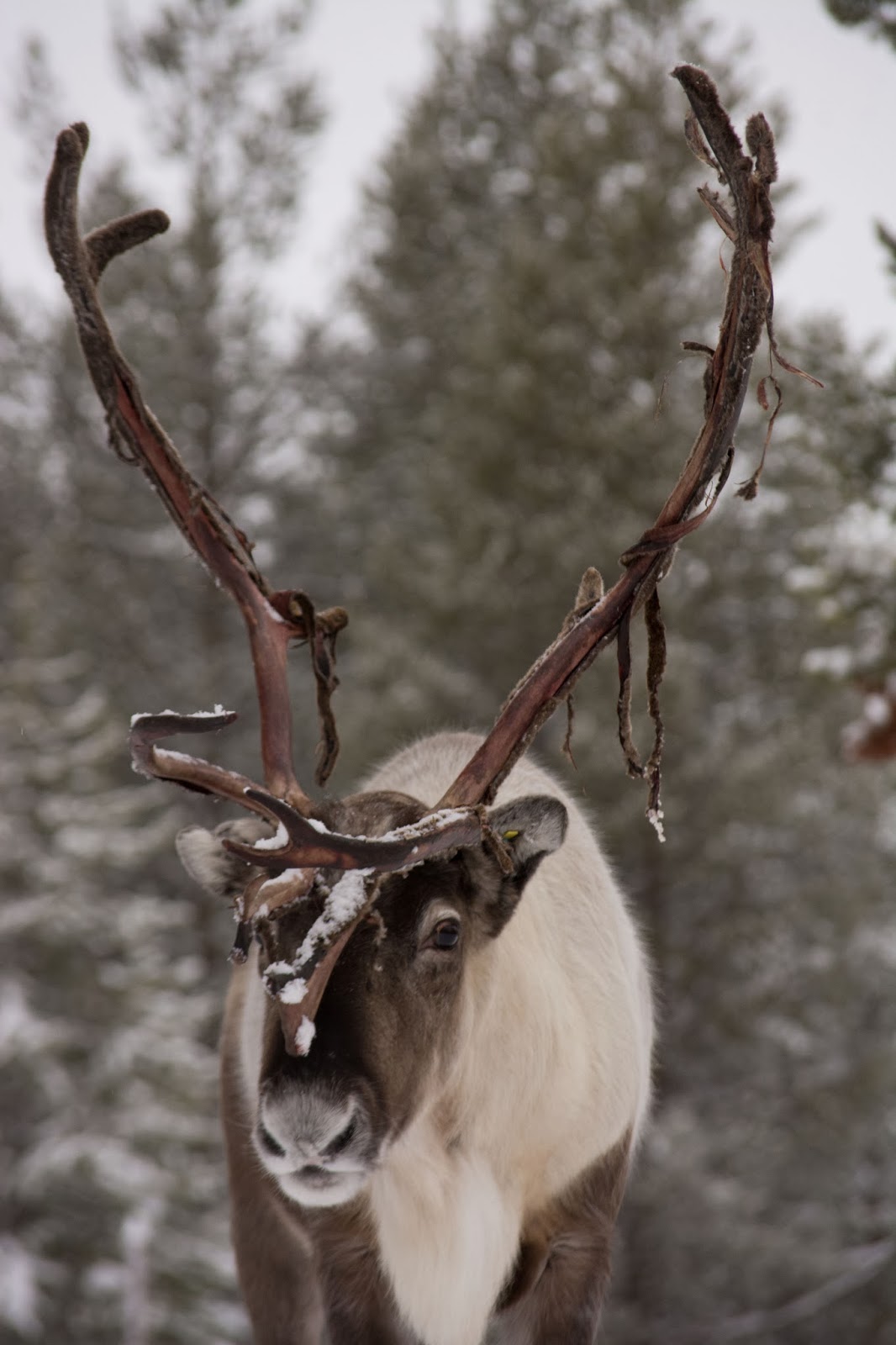
Taking photographs outside in the winter presents a variety of challenges for any photographer to overcome. Not only do you have to dress warmly just to get outside, but there are a few "musts" in any cold weather photography expedition. I thought I'd list a few here.


  1. Bring extra batteries. The cold runs them down relatively quickly. Keep one battery close to your body to keep it warm, and swap out when necessary.
  2. Have a microfiber cloth. When it snows, it sometimes gets on your lens. Be ready to clean it off.
  3. Have patience. When you go from inside/outside and vice versa, the temperature change can fog your lens a bit. Let it clear before getting ready to shoot.
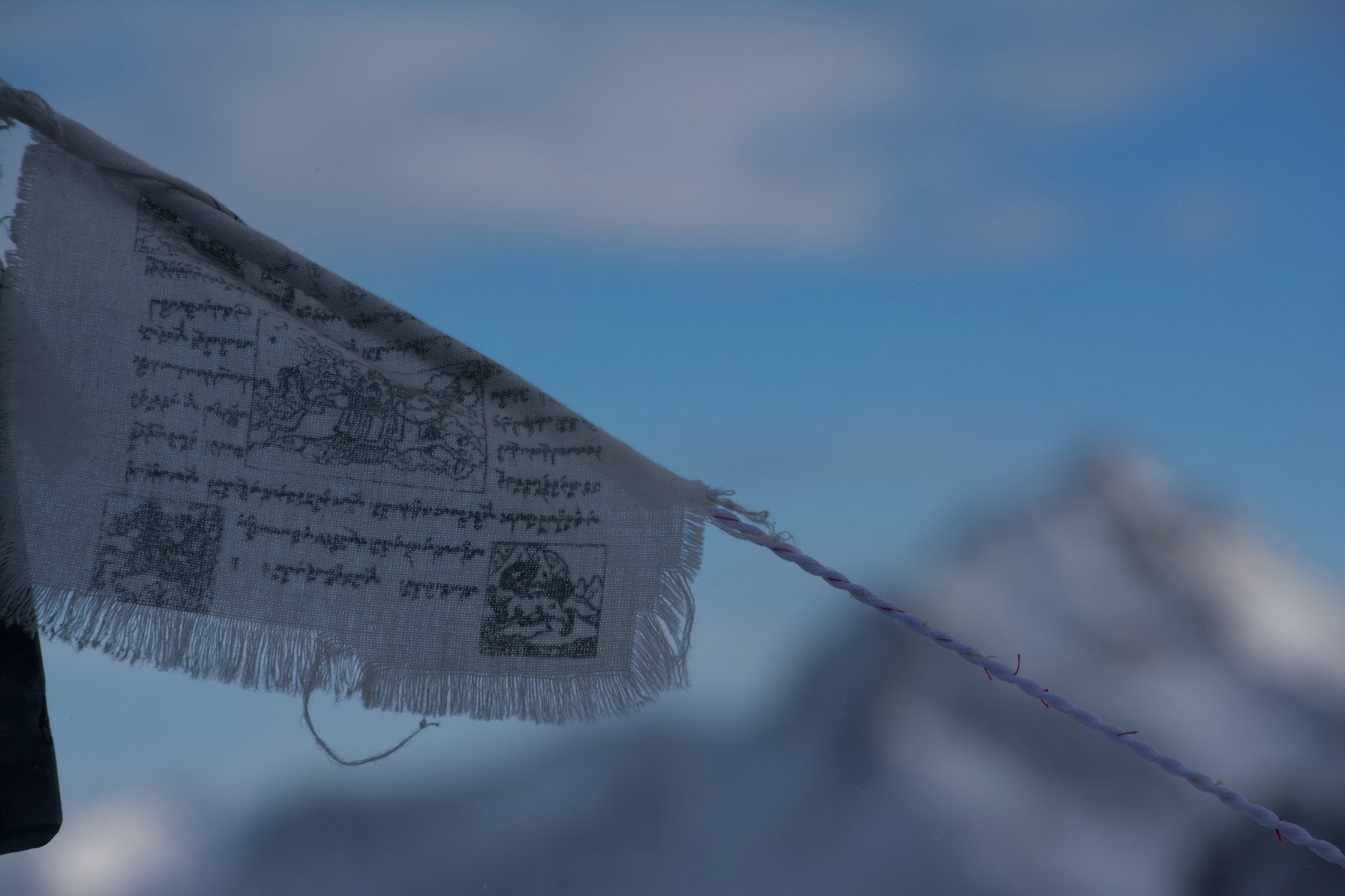
  4. Bring gloves! Gloves are a must. A thin glove underneath a warm glove can do wonders, as you can still operate your camera controls with the gloves on. A few of my pictures required me to go without a glove in single digit temperatures (Fahrenheit) in 30mph winds. Thin gloves would have helped me a lot!
  5. Dress for standing still. Getting the light and composition just right for your shots requires you to take your time and remain relatively motionless. That's when it gets cold. Dress for this, not for walking around.
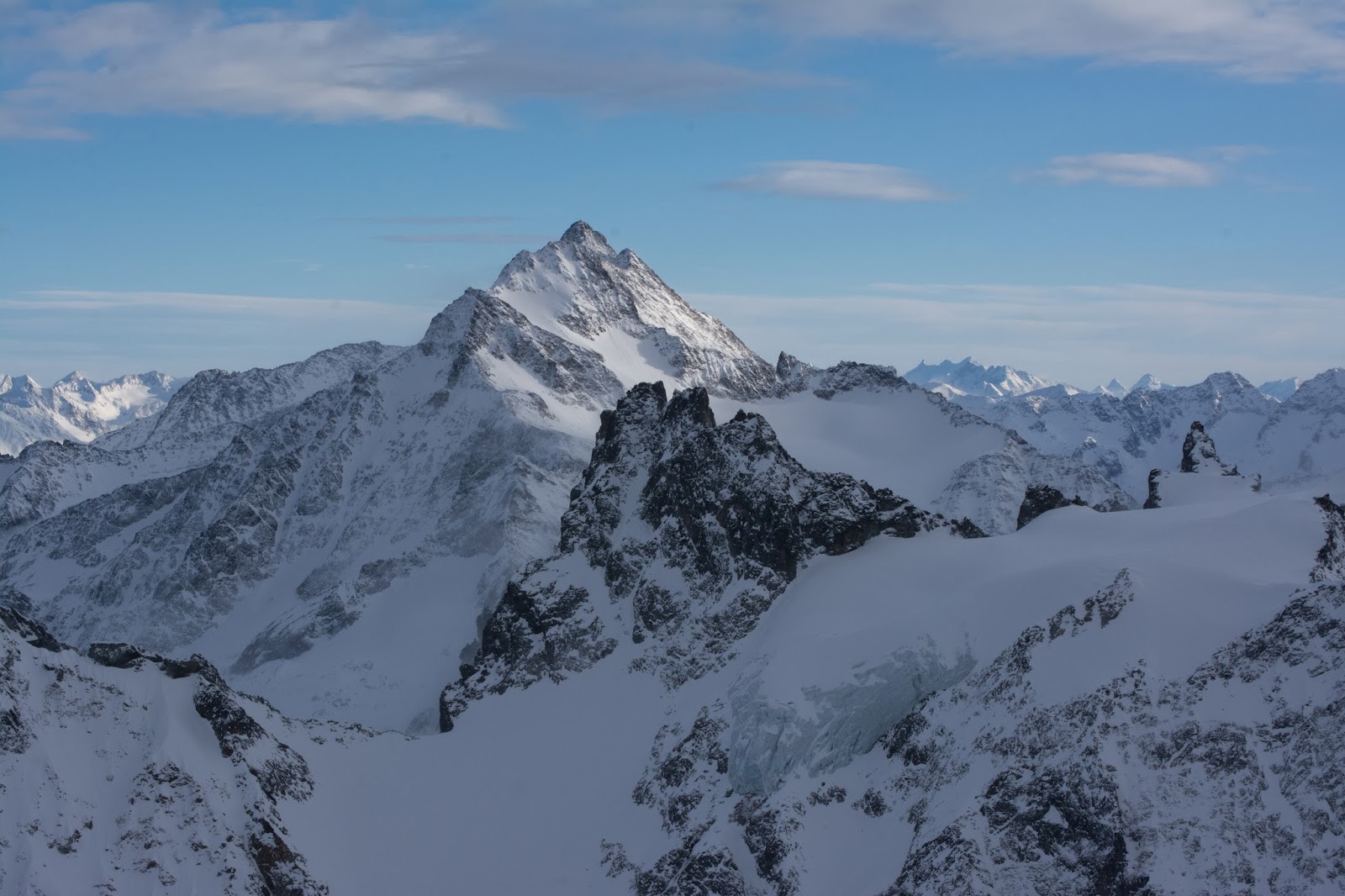
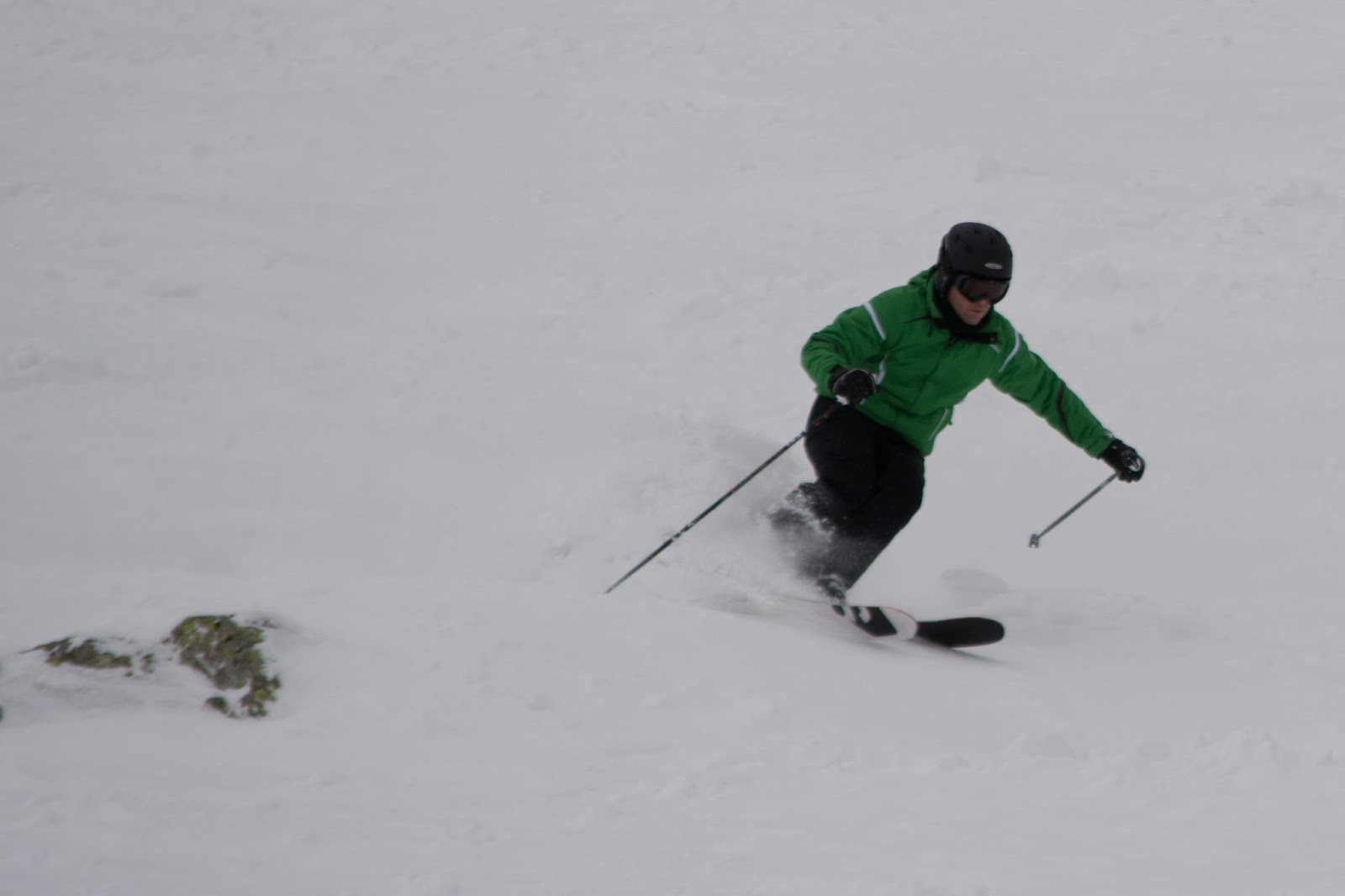
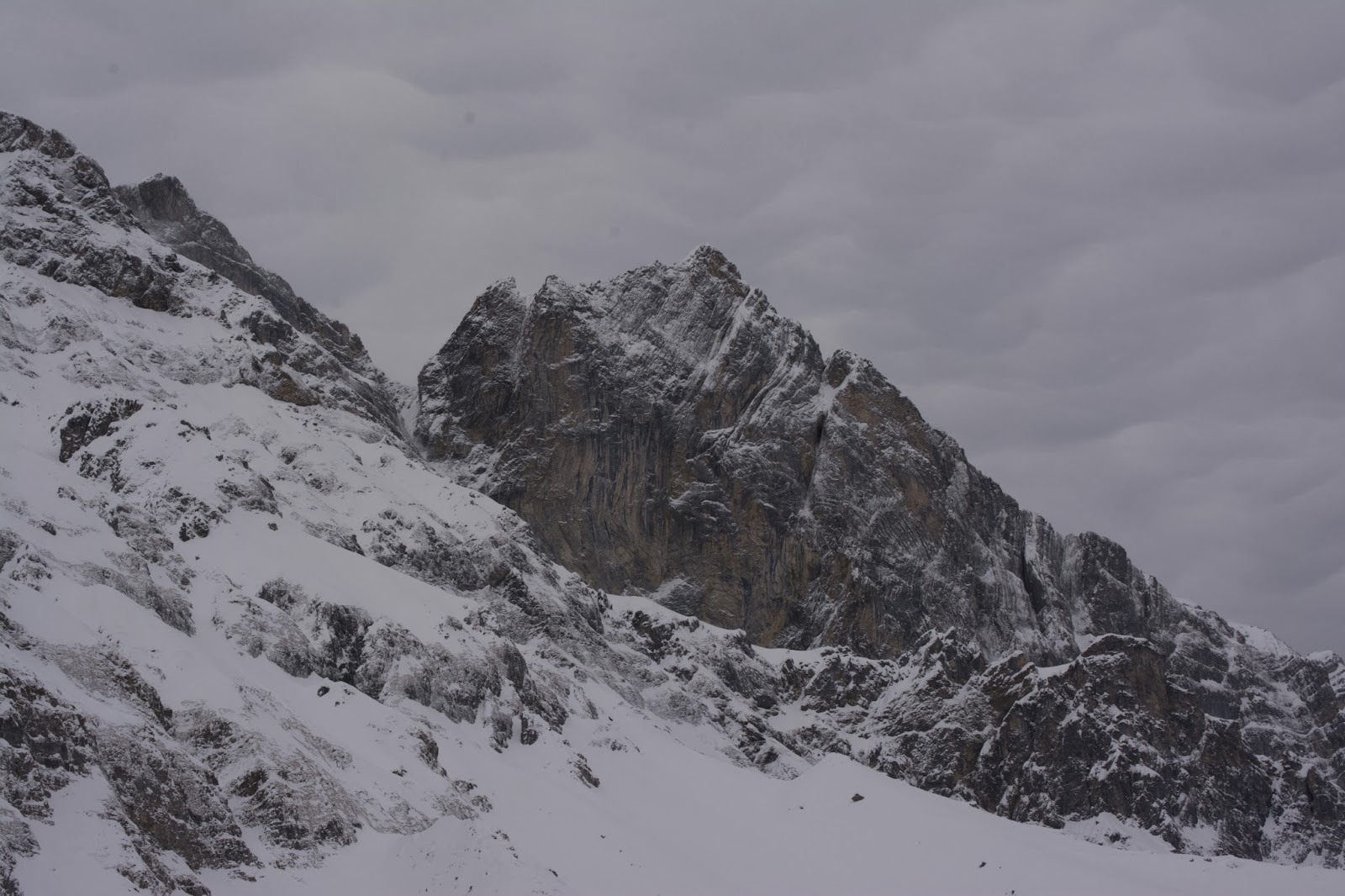
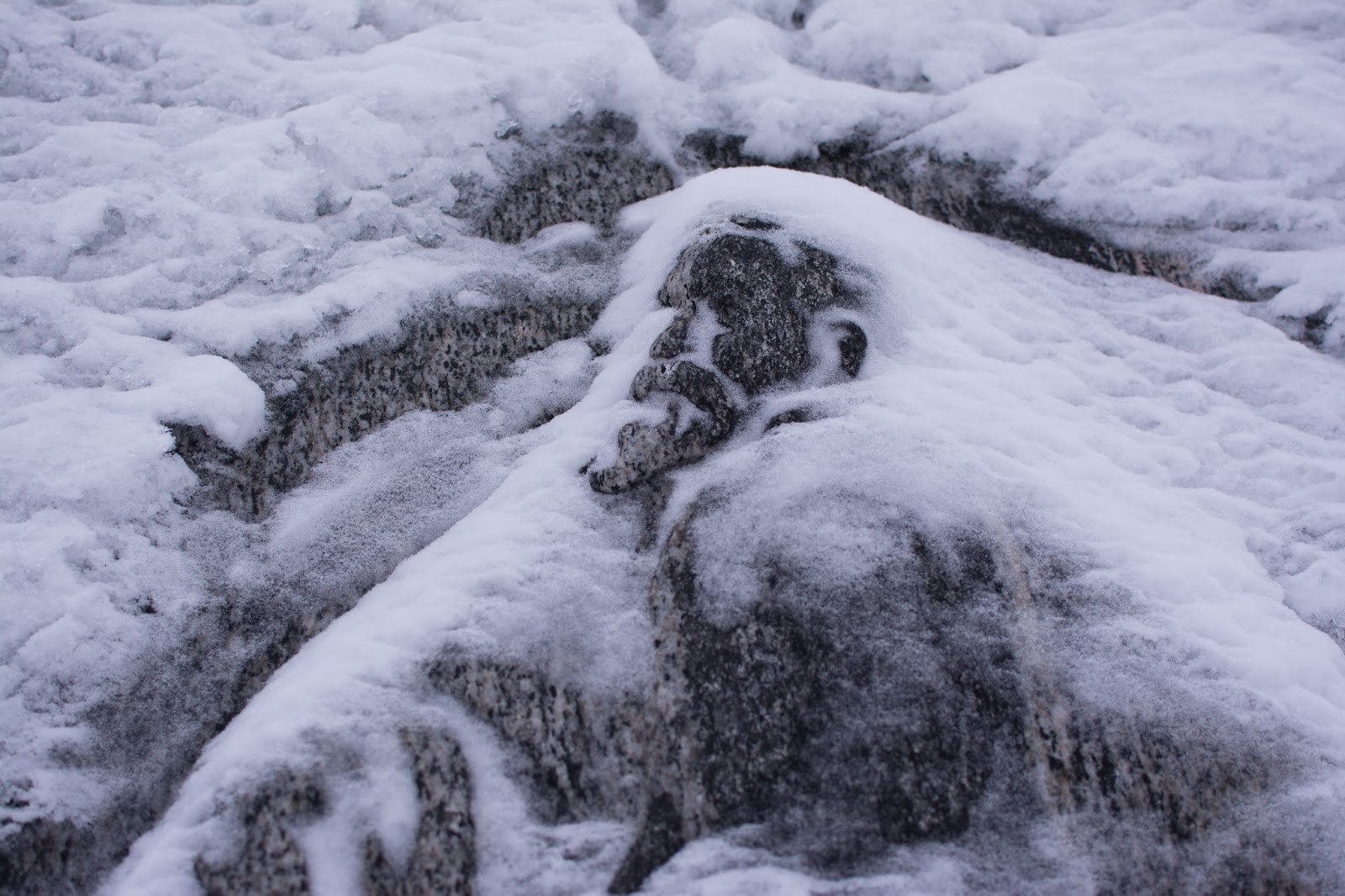
  6. Underexpose. Underexpose. Underexpose. If you have snow in your picture, it will play hell with your camera's light meter. Pay attention to what your light meter tells you for the non-snowy objects, or prepare to blow your highlights out.

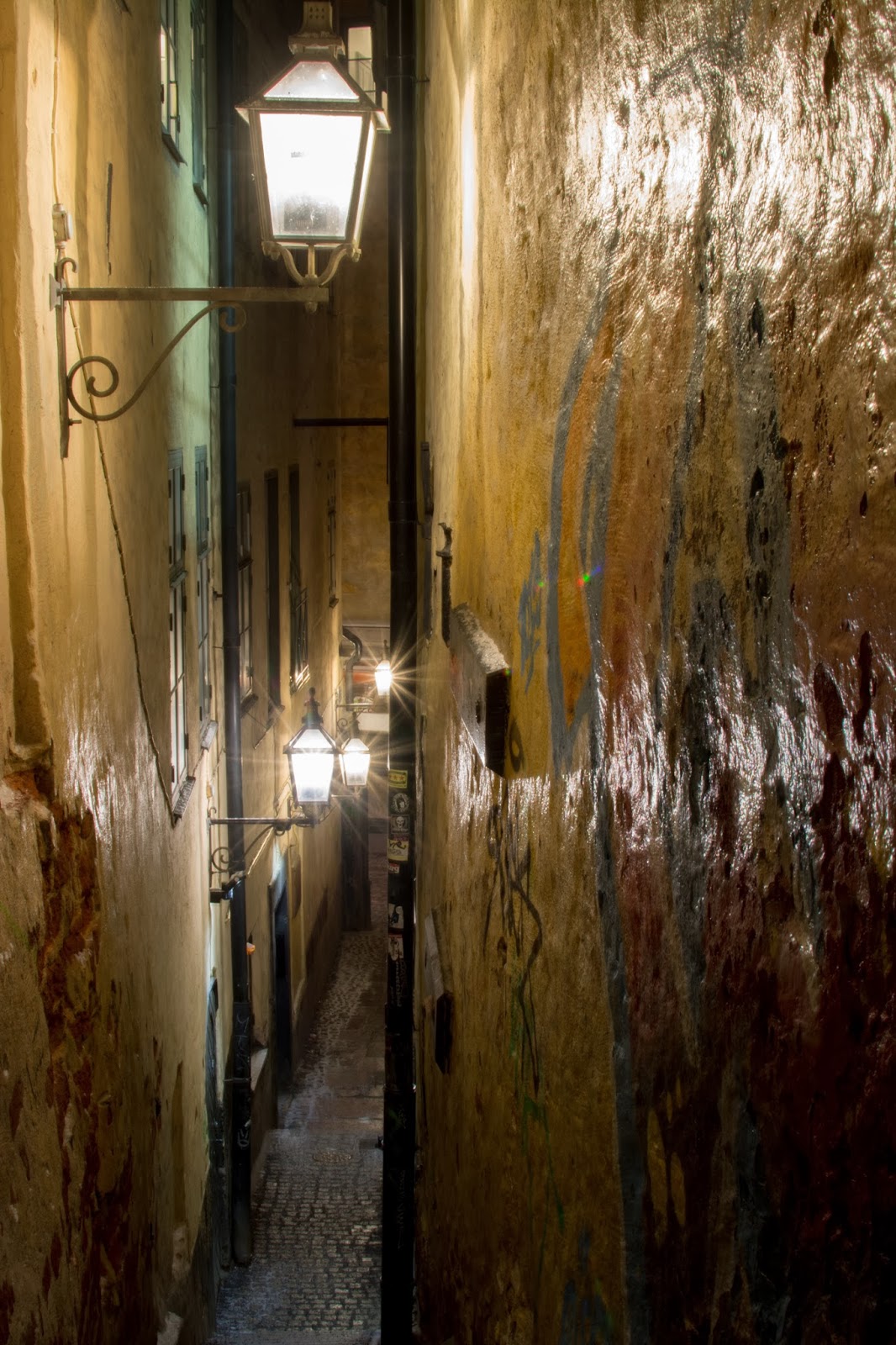
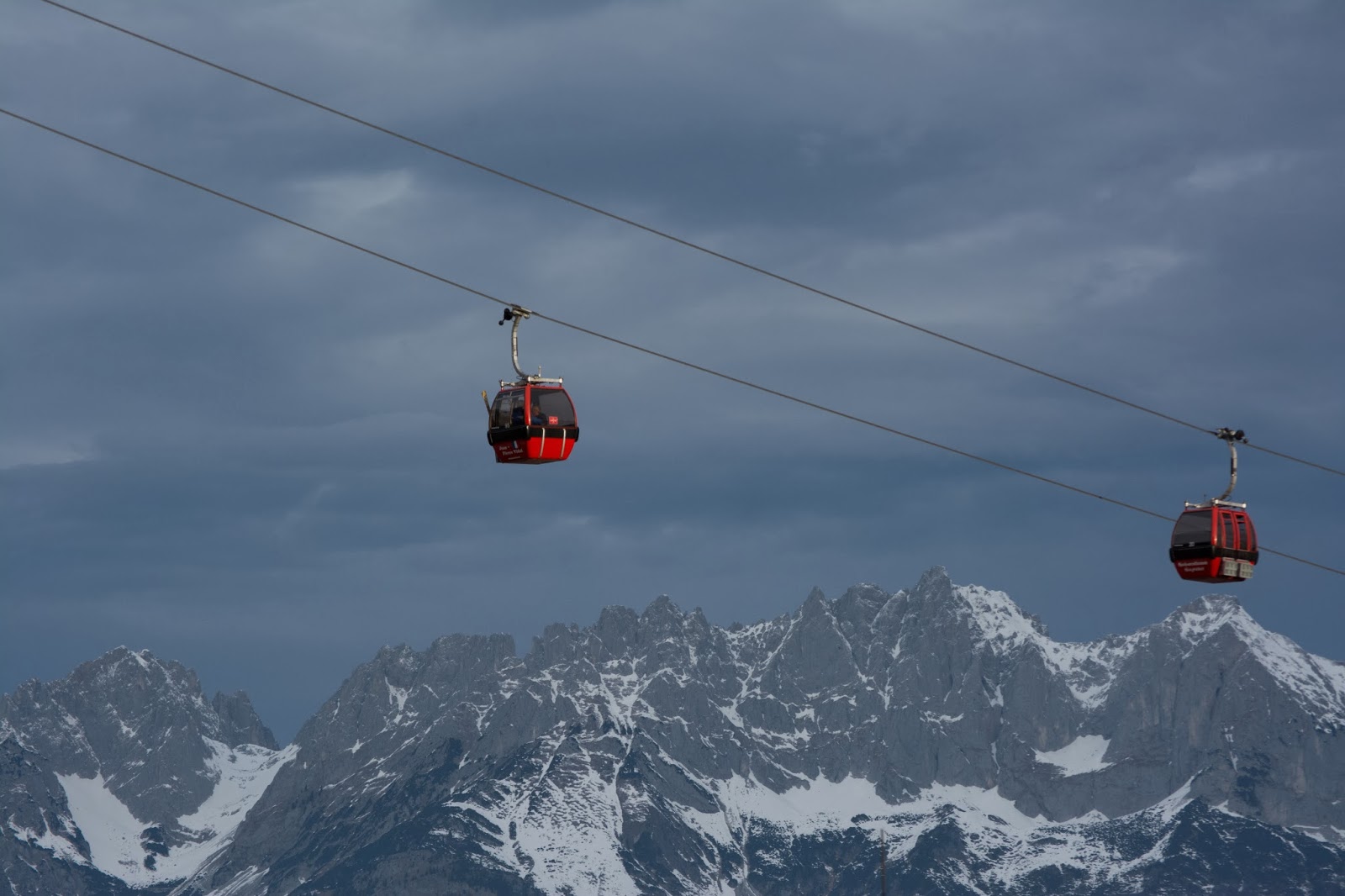
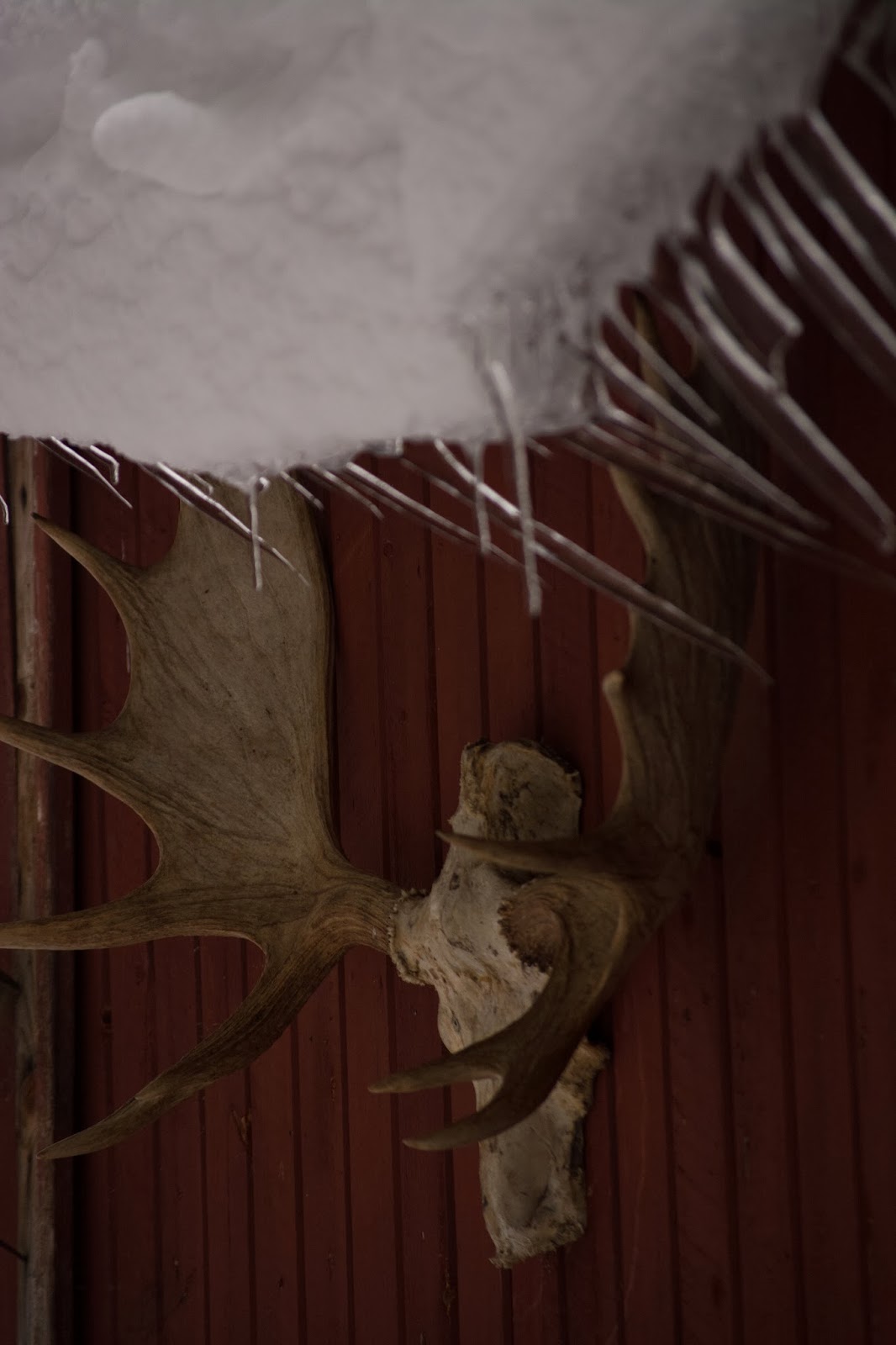
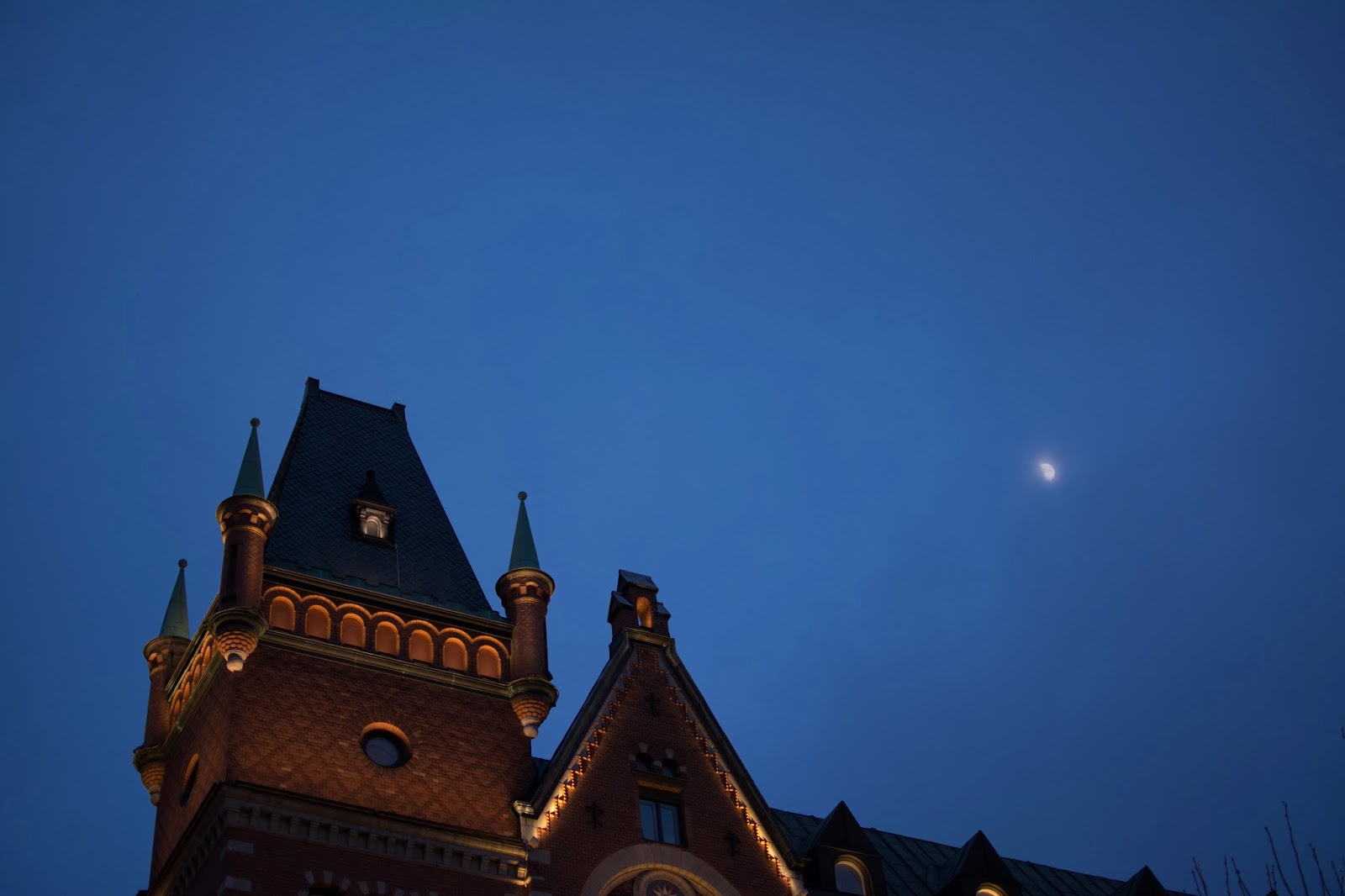
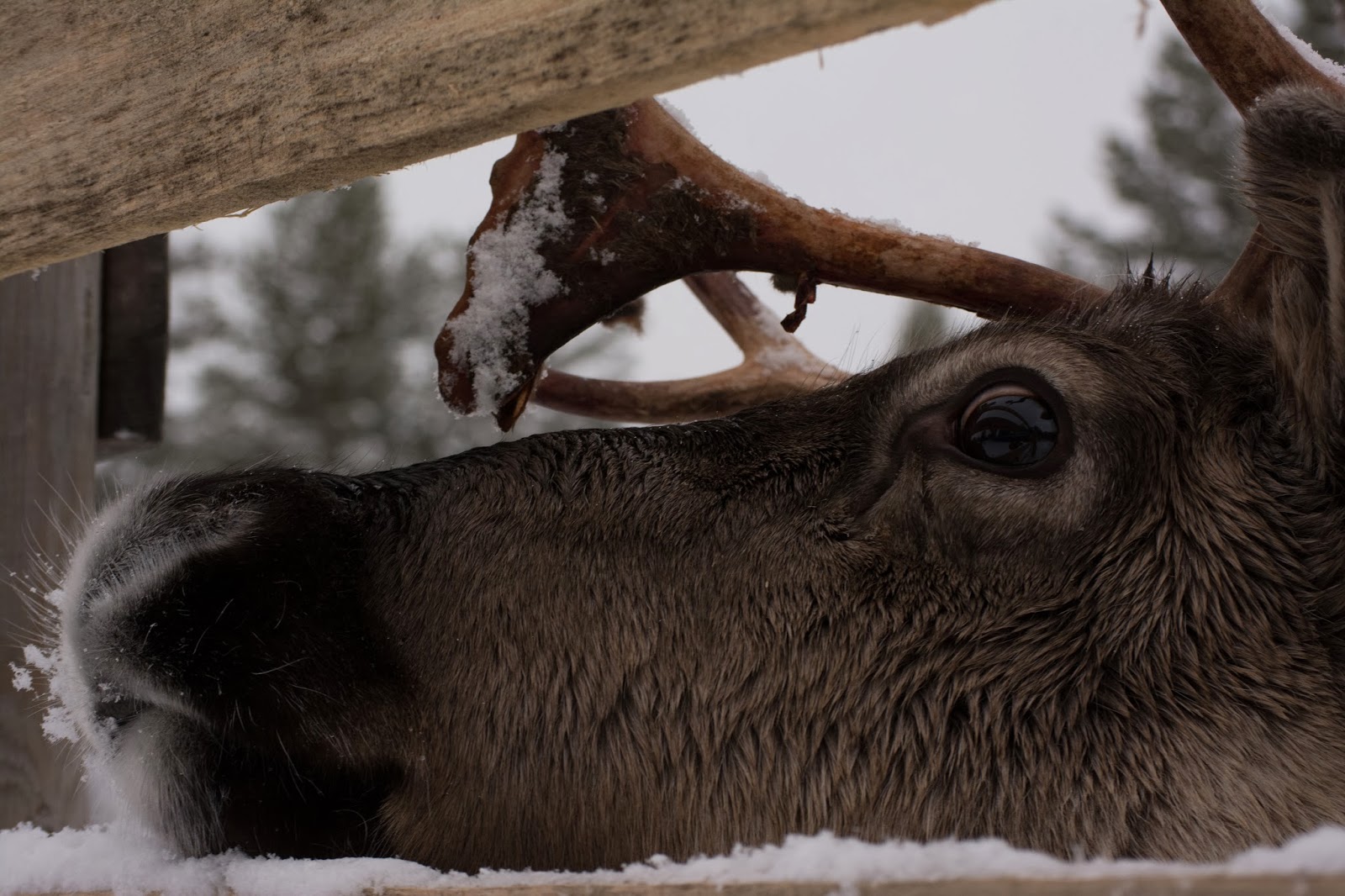
Now that I've given you some fairly basic lessons that are pretty obvious, here are some examples of putting those lessons to work.

Equipment Used

Nikon D7100 Camera
35mm f/1.8 lens
55-200 f/4-5 lens
Tokina 11-16mm f/2.8 lens
Manfretto BeFree Tripod
Nikon MC-DC2 Cable Release

Images

Sunday, February 2, 2014

Making Realistic Fireworks Photos

Last year, I experimented with my Fourth of July fireworks photos, shooting some of them like a typical photograph, while, in others, I played with shifting focuses while the shutter was open. Having the opportunity to view a city filled with public and private firework displays that rivaled each other for inventiveness and sheer firepower meant that I just had to go with straight-up, vanilla, long exposure firework photos. This isn't exactly a challenge - it's all about framing and hoping for the lucky combination of colors and shapes.

16mm f/20, ISO 320, 20 second exposure

I decided to use my wide-angle Tokina lens, which appears to be the best wide-angle lens out there for a DX (non-full frame) camera. Sure, the Nikon 14-24mm f/2.8 (Part of the Nikon "Holy Trinity") is a far superior lens, but it's made for FX (full frame) cameras. That extra $1,500 results in a lot of wasted glass, since the sensor won't be physically seeing all that the lens sees. The Tokina is simple to set up for these kinds of shots - pop it into manual focus and set the focus to infinity.

Braced the tripod against my body to get this 3 second exposure. I wasn't
in a good position to get a perfect silhouette with the fireworks
Of course, for long exposures like these (10-20 seconds was where most of my shots fell), you had better have a tripod. A cable release is ideal, especially when you're sitting still for 45 minutes in freezing temperatures! Since this is me we're talking about, I left my cable release sitting on my desk. But, fear not! You can still get vibration free photos by setting your camera on a 2 second delay from when you press the shutter release. Technology to the rescue of the forgetful!


Equipment Used

Nikon D7100 Camera
Tokina 11-16mm f/2.8 lens
Velbon Tripod


Images

Monday, January 27, 2014

Higher ISOs; See That Wasn't So Hard - Part Two

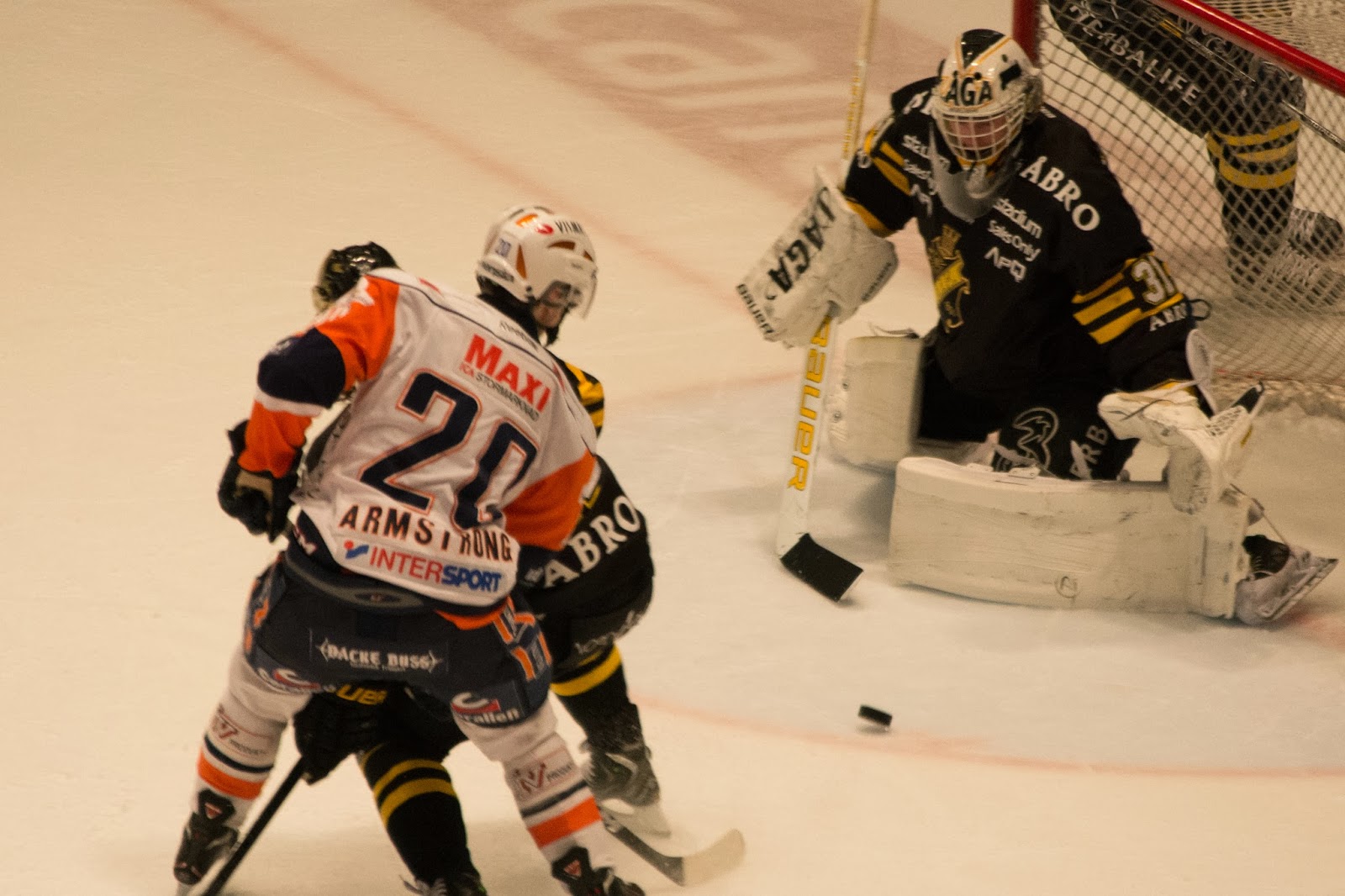
In my last post, I talked about getting used to trusting the ISO processing of my camera. Well, I have finally embraced the goodness of letting my camera use its power to overcome my relatively cheaper zoom lens and its smaller aperture. There isn't much to say on this, other than, I went to a pair of hockey games and took my camera. The arena was small enough that I could easily take good photos with my lens, and then crop them without any real effort to make some nice looking action shots. But there was only one way to do that - accept a higher ISO setting. I did, and even with the cropping, I enjoyed the results. I think that I'm one step closer to completely trusting technology!

Equipment Used
Nikon D7100 Camera
55-200mm f/4-5.6 lens

Images


Thursday, January 9, 2014

Trust Your Camera's ISO Processing

Ever since I've begun digital photography, the noise created by high ISO settings has absolutely driven me batty. I love the crispness of the lowest ISO settings. Well, this creates trouble when you don't have a lens to get the image you want without cropping. Cropping makes the ISO noise more apparent - it's just that simple. This bit of obsessiveness on my part has really hurt my photography. I've kept myself shooting wide open, and letting the shutter speed drop too low for my subject when confronted with low light. This makes for bad photography!

I at least got over my fear of thick blacks in my photographs, as I talked about here. Aaron Zebrook really opened my eyes as to how you can use the darkness of your frame to make your photographs that much better. But, still, I've not pushed my camera. Here I have this incredible piece of technology, and I'm not asking it to even break a sweat. And, as a result, my photos just aren't that good without a boost from Lightroom. Even then, a lot of what I'm failing to do can't be rescued with software.

Since it's winter, a lot of my photography is being done in either terrible light (grey, cloudy skies), or in darkness. This has made me pretty frustrated, to be honest, because the things I want to shoot aren't only perfect for my 35mm f/1.8 lens. I like using my cheap zoom, which gets me down to f/5.6, and means I have to get my shutter speed up to around 1/250 just to keep a sharp shot. In this light, that's not happening - unless I learn to suck it up and trust my camera's ISO performance.

Equipment Used

Nikon D7100 Camera
35mm f/1.8 lens
55-200mm f/4-5.6 lens
Nikon MC-DC2 Cable Release
Velbon Tripod

Images


A zoo shot with the telephoto lens (100mm f/4.5), ISO bumped up to 400. This is cropped.
250mm, 1/200, f/5.6, ISO 800. That still wasn't enough, and I "over developed" the photo by a full stop in Lightroom.


200mm, 1/40, f/5.6, ISO 640. A little bit more of a challenge to keep the motion, keep the detail in flat light, and keep the camera steady!
What could have been an amazing shot - but focusing in the dark means manual focusing. I neglected to use Live View, and, as a result, this is out of focus.